
Israeli Soldiers Abused Me Before. I’m Terrified That They’ll Do It Again.
Israel is invading Gaza City again. The trauma of what they did to me and my family during their last invasion haunts me every single day.

Gaza City—As the Israeli military begins its latest invasion of this city, an unshakable fear settles over me. As I live in the heart of northern Gaza, I carry not just worry for what may come, but the weight of what I’ve already seen. The memories of soldiers in our streets, the sound of tanks, the fear in my family’s eyes—none of it has left me.
Nor has what the soldiers did to us the last time we encountered them.
On January 28, 2024, at 11 pm, occupation vehicles and tanks rolled into the west of Gaza City in the Al-Jawazat area, where I live. I vividly heard the sounds of the roaring engines and the cries and wails of those displaced in the school beside our home. My family and I maintained absolute silence, listening to the sounds in the streets.
It turned out to be the beginning of a nine-day siege.
With every rumble of the vehicles outside, we were convinced death could claim us at any moment: whether by a bulldozer crushing the walls above us, a tank shell reducing us to dust amid the debris, or a warplane striking our home and leaving us among the disappeared. None of us had ever experienced anything like this before.
Through the nine days of siege, the air strikes and explosions never ceased, whether on nearby or distant targets. We could hear the soldiers murmuring and laughing at night. We were eating only a bowl of soup or a small piece of cheese for meals. There wasn’t enough water. We went to sleep early, and made sure to turn off every single light—including the lights from our phones. We knew that any light, no matter how dim, could draw attention to us and threaten all of our lives.
On the ninth day of the siege, on February 6, at 4 pm, we heard a troop carrier in front of our building. Israeli soldiers unleashed their weapons, and their bullets shattered glass in every part of the building. The Israeli soldiers approached our neighbor’s building, launched a grenade at their entrance, and proceeded to storm it.
After some minutes, they stormed our house. They were about to throw a bomb to open our door, but one of the men with us stepped out and shouted to them, “Shalom, shalom, we are only civilians.” The soldiers aimed their weapons and rifle muzzles at him and ordered him and all the males over 15 years old to take off their clothes. Then he asked about our total number. He told him that there were 29 people in the house. The soldiers were stunned. Then they ordered us to come out of the building in our underwear, with our hands raised.
They ordered us to sit on the ground, face the wall, and put our hands behind our backs. Then, a soldier asked for our IDs. I showed my ID to the soldier, and he took it without looking at it, just throwing it on the ground and stepping on it. Then, he tied my hands behind my back.
Ten minutes later, we were eventually taken outside our building, with our hands bound. We were forced to march barefoot through the mud without wearing any shoes. The soldiers showed no empathy; their only concern was to move us to an unknown location where their tanks were stationed.
It was the first time I encountered Israeli soldiers face-to-face, and I was stunned by the scene. There were hundreds of soldiers and more than 20 tanks in our area, and devastation was overwhelming. I saw Israeli flags raised on their tanks. There were dozens of soldiers and recruits who mocked us and laughed after seeing us stripped of our clothes.
After that, an Israeli soldier ordered us to stand in two lines, one for the men and one for the women and children. One of the Israeli soldiers came from behind me, untied my hands, and told me to move the wheelchair of a disabled young man who was with us. He spoke to me in Arabic, saying, “Look down and don’t look at me, just keep moving.”
I struggled to move the wheelchair through the deep mud, and the wheels wouldn’t turn. There was glass in my feet, but I couldn’t do anything except keep walking. We were eventually herded into a large hole in the ground that the Israeli tanks had excavated and where they were stationed. This hole was surrounded by Israeli tanks and armed soldiers.
I couldn’t understand what was happening at that moment. The soldier tied my hands with a strap, put a cloth over my eyes, and ordered us to sit, facing away from the center of the hole. Then, an Israeli officer came and spoke in Arabic, asking each person for their ID number.
We sat in the hole, shivering from the cold, without clothes, unable to see anything, not knowing what was happening around us.
I began to feel weak, so I asked to change my sitting position because I couldn’t feel my feet. No one responded, so I kept calling until an officer came and asked, “Do you speak English?” I said, “Yes.” He asked, “What do you want?” I replied, “I just want to change my sitting position.” He didn’t respond, so I shifted slightly, and the soldier came and hit me with his weapon, telling me not to move.
Hours passed, and I felt as though my mind and body were shutting down. A soldier would occasionally shine a red laser on the cloth covering my eyes and point his gun at my ear, further exacerbating the sense of dread. I kept wondering, “Will I make it out of here? Will my family be safe?”
After a while, a soldier came and asked me my age, what I did, what I studied, and where I studied, then left me. I told him, “I’m a first-year student and I’m only 18 years old.” While I was sitting, I felt fear and extreme cold. There was a tank circling the hole, throwing sand on us to warm us up.
Popular
“swipe left below to view more authors”Swipe →I was so exhausted that I couldn’t feel my body or mind. I dozed off briefly, but it was a painful nap. The soldier continued to shine the laser on my eyes to prevent me from sleeping.
Suddenly, at 11 pm, an Israeli soldier came from behind, untied my hands, and removed the cloth from my eyes. He ordered me to stand, but I didn’t understand what was happening. I couldn’t even stand up. We had been sitting for eight hours, with no movement.
At this moment, an Israeli senior officer came and told us, “You are civilians. You have to go to the safe zone in the south.” We tried to convince him to let us stay in Gaza City, but he said that there was no point—they were just going to invade every part of the city anyway.
We left the north and went to the south forcibly in the night on foot, carrying the burden of displacement and longing for home. We stayed in the south in tents for 11 months until the ceasefire deal occurred in January and many displaced people returned to the north of the Gaza Strip.
This horrible experience always haunts me. I can’t believe I’m still alive.
The sound of their mocking laughter and the sight of their tanks and weapons are forever seared into my mind. The trauma of that siege and the constant dread of another ground invasion trails me like a shadow. I cannot stop thinking about the possibility of living through that nightmare once more and whether I would even manage to survive it again.
Support independent journalism that does not fall in line
Even before February 28, the reasons for Donald Trump’s imploding approval rating were abundantly clear: untrammeled corruption and personal enrichment to the tune of billions of dollars during an affordability crisis, a foreign policy guided only by his own derelict sense of morality, and the deployment of a murderous campaign of occupation, detention, and deportation on American streets.
Now an undeclared, unauthorized, unpopular, and unconstitutional war of aggression against Iran has spread like wildfire through the region and into Europe. A new “forever war”—with an ever-increasing likelihood of American troops on the ground—may very well be upon us.
As we’ve seen over and over, this administration uses lies, misdirection, and attempts to flood the zone to justify its abuses of power at home and abroad. Just as Trump, Marco Rubio, and Pete Hegseth offer erratic and contradictory rationales for the attacks on Iran, the administration is also spreading the lie that the upcoming midterm elections are under threat from noncitizens on voter rolls. When these lies go unchecked, they become the basis for further authoritarian encroachment and war.
In these dark times, independent journalism is uniquely able to uncover the falsehoods that threaten our republic—and civilians around the world—and shine a bright light on the truth.
The Nation’s experienced team of writers, editors, and fact-checkers understands the scale of what we’re up against and the urgency with which we have to act. That’s why we’re publishing critical reporting and analysis of the war on Iran, ICE violence at home, new forms of voter suppression emerging in the courts, and much more.
But this journalism is possible only with your support.
This March, The Nation needs to raise $50,000 to ensure that we have the resources for reporting and analysis that sets the record straight and empowers people of conscience to organize. Will you donate today?
More from The Nation
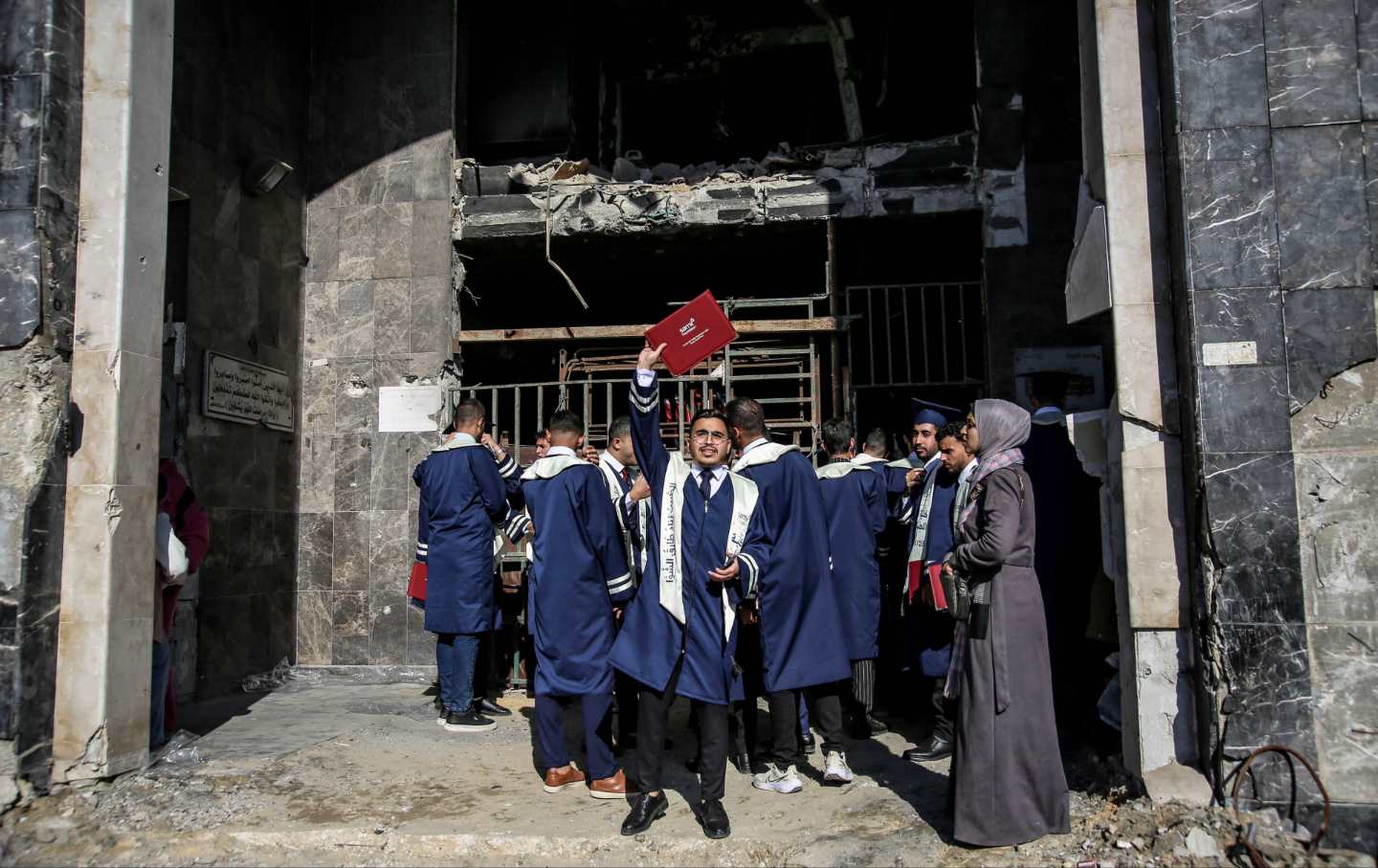
“I Refused to Let the Genocide Steal My Dreams” “I Refused to Let the Genocide Steal My Dreams”
For these medical students in Gaza, completing their studies was an act of defiance.

Donald Trump Is Losing the Iran War Donald Trump Is Losing the Iran War
Despite his constant declarations of victory, the truth about this conflict is clear.
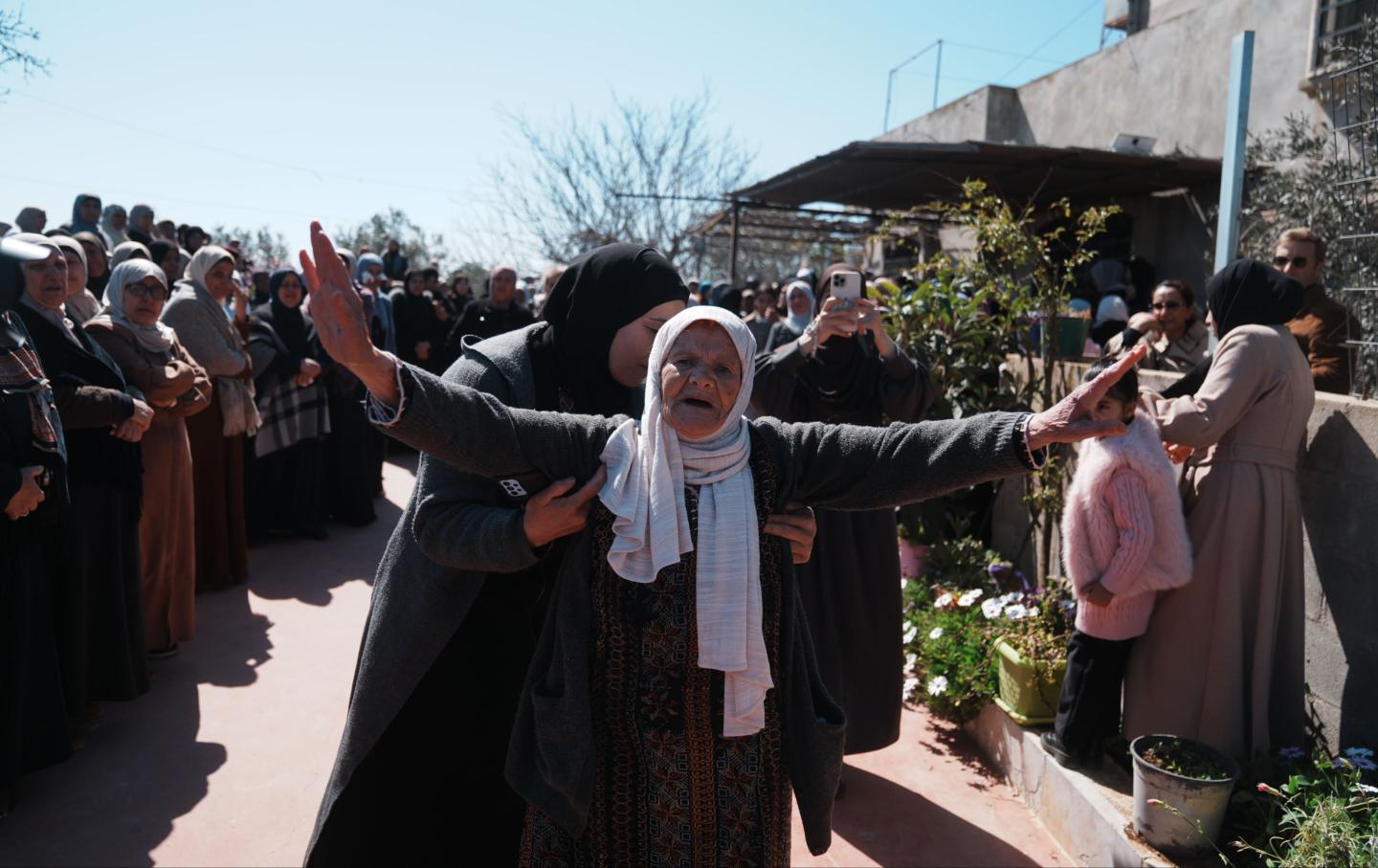
Israel Is Also Committing Genocide In the West Bank Israel Is Also Committing Genocide In the West Bank
It’s not just Gaza—Israel wants to exterminate all Palestinians, everywhere. We are one people being destroyed as one people.
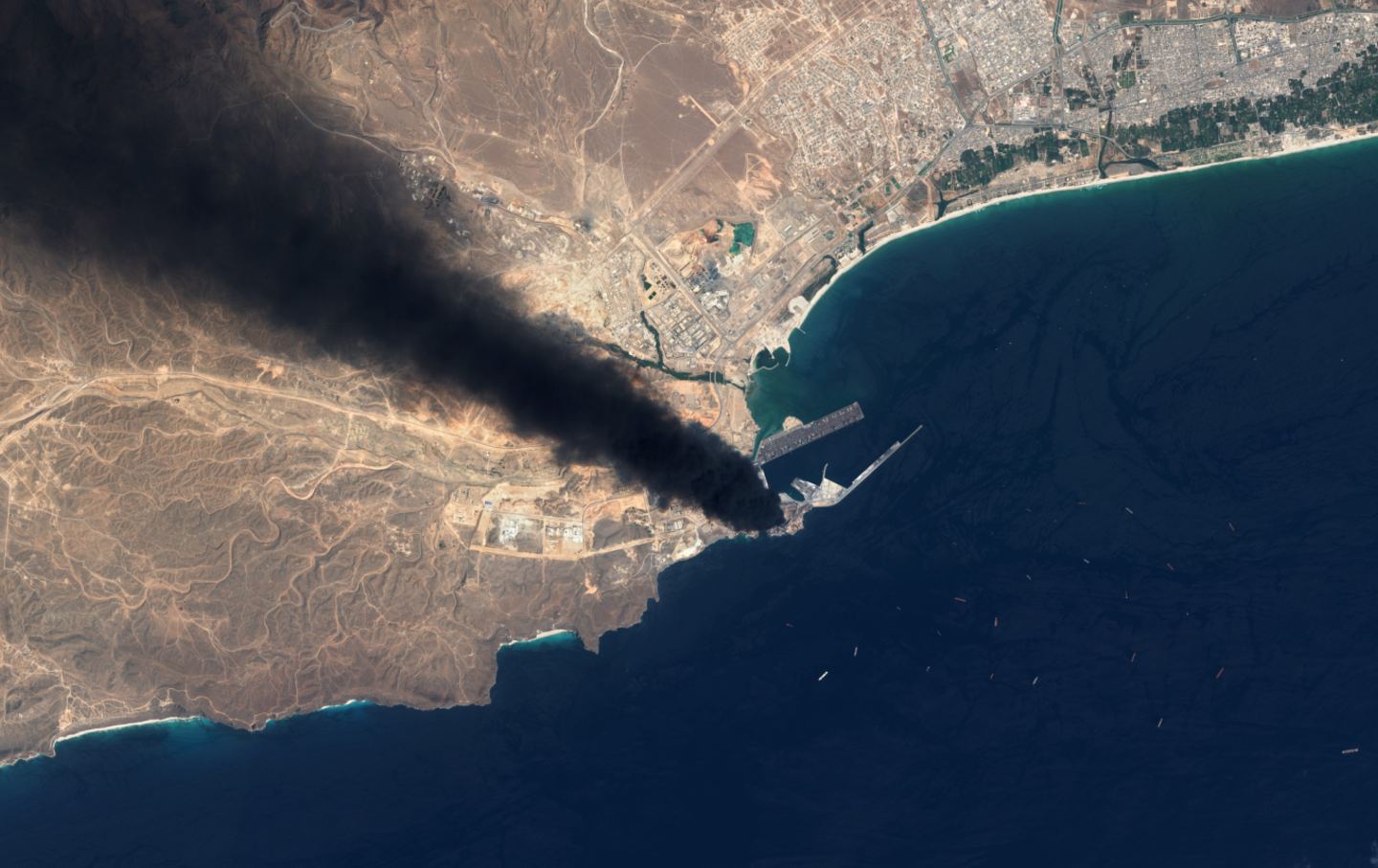
How the War Has Led to the Largest Disruption of Energy Supplies in Decades How the War Has Led to the Largest Disruption of Energy Supplies in Decades
Unless a resolution is found, the impact is likely to grow.
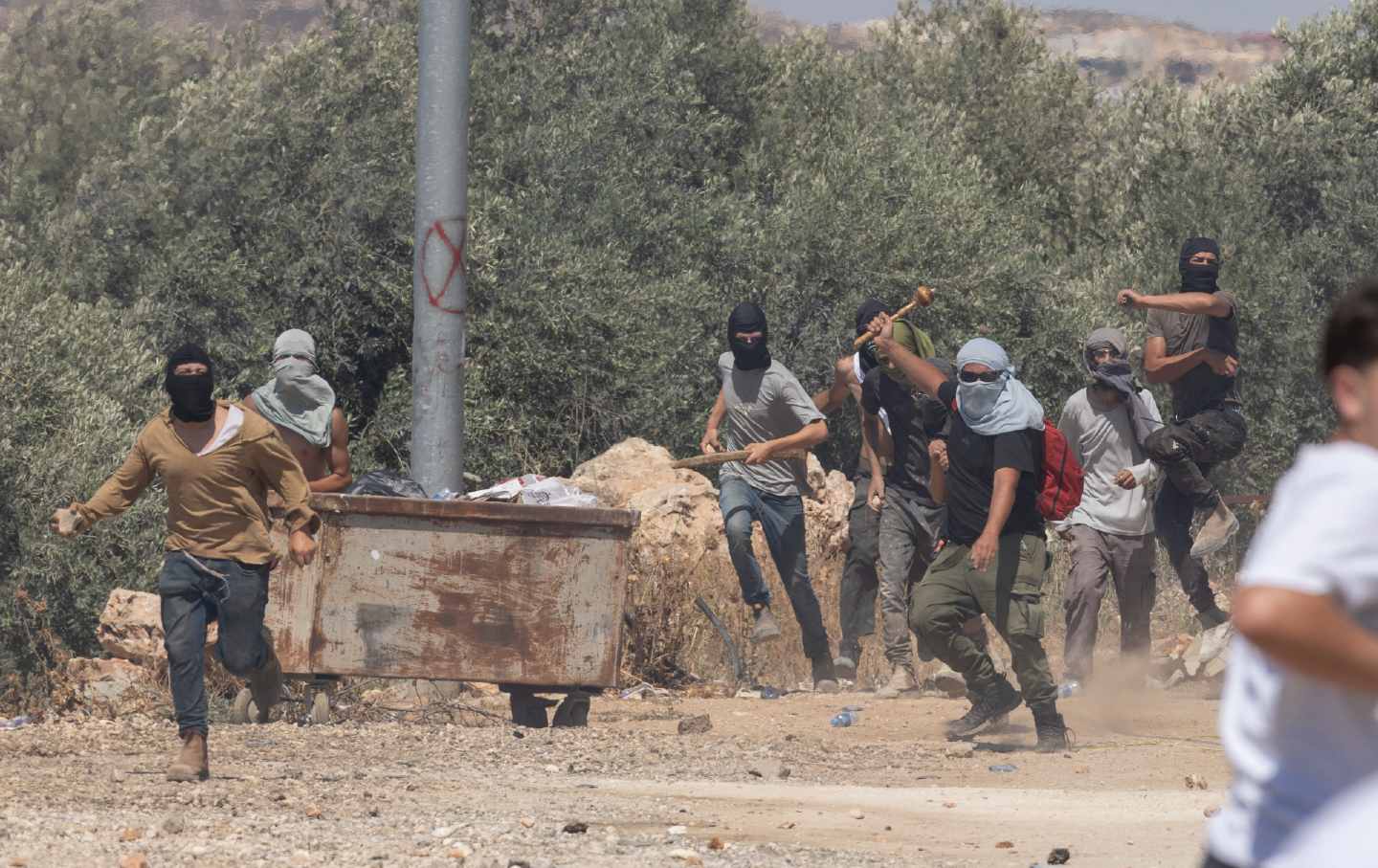
“Erasing the Lines”: How Settlers Are Seizing New Regions of the West Bank “Erasing the Lines”: How Settlers Are Seizing New Regions of the West Bank
After decades consolidating their control over Area C, Israeli settlers are expanding into Areas B and A—nominally under Palestinian Authority jurisdiction—and displacing communit...
Feature / Oren Ziv with Ariel Caine
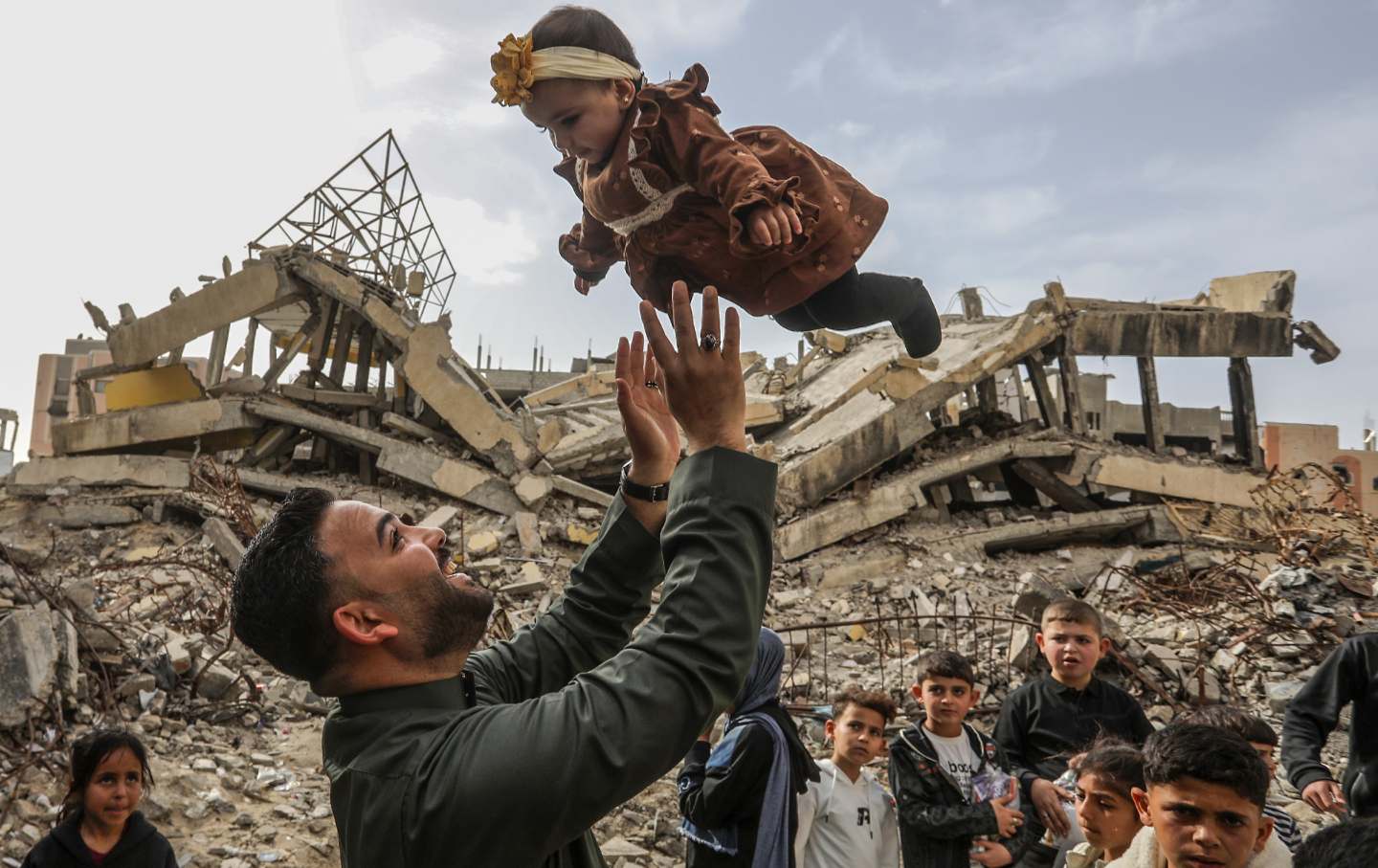
In Gaza, Eid Is an Act of Resistance In Gaza, Eid Is an Act of Resistance
This year, Eid was a declaration: We are here. We pray. We dress in our best. We love, even when the world tries to convince us that we have nothing to love or to live for.

