
Memo to the Mayor: How You Can Accelerate the Development of Affordable Housing
Don’t just freeze the rent of rent-stabilized units. Don’t allow their demolition at all.
Dear Mayor Mamdani,
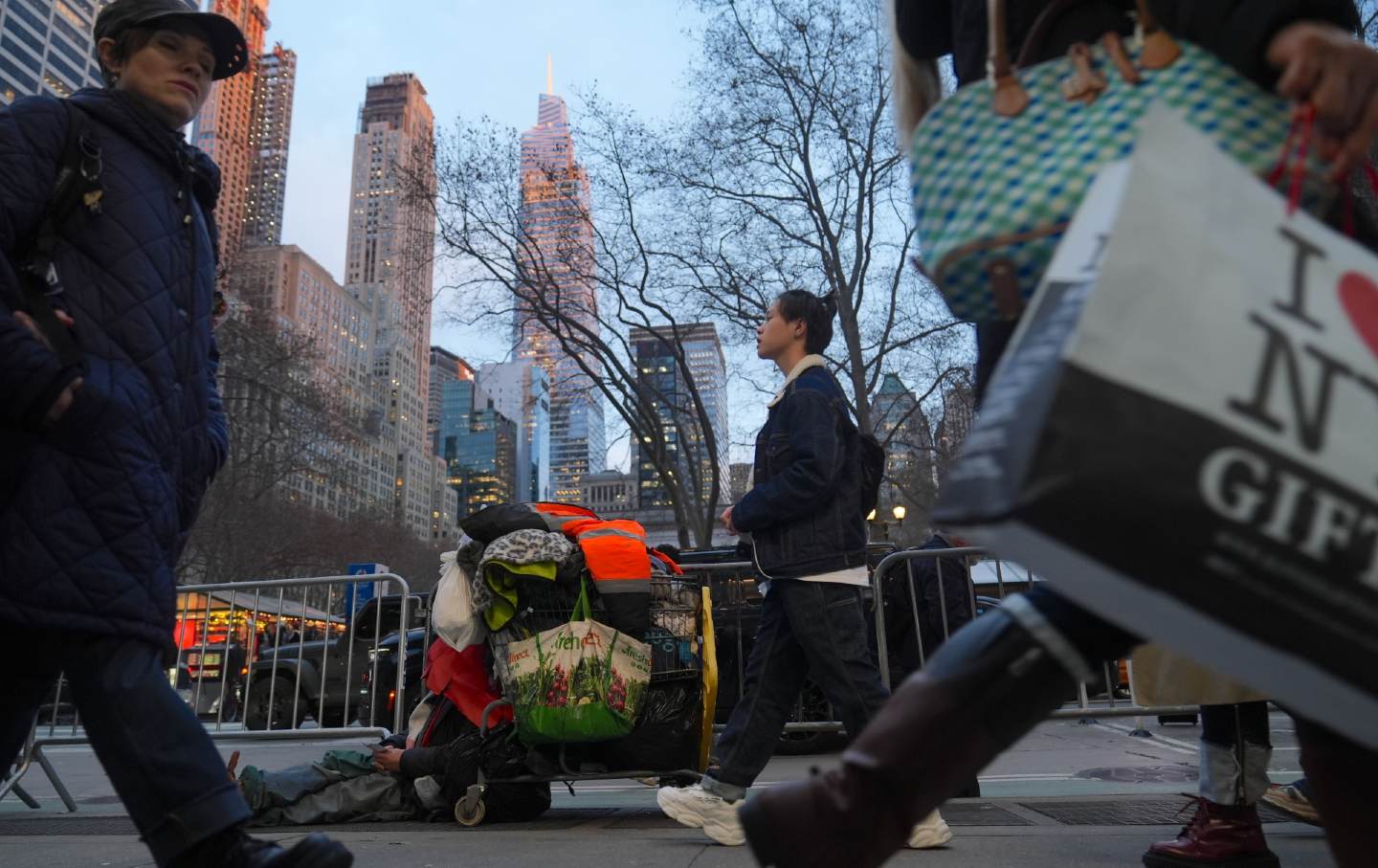
Congratulations on your win. Many New Yorkers are counting on you to accelerate the development of affordable housing. But what about saving from demolition the existing rent-stabilized units that are being torn down to make way for luxury housing? This is a little-recognized trend. You now have the opportunity to stop this serious and continuous loss.
The citywide Campaign for a Livable City,(I am a member) has been trying to call attention to this. The campaign includes affordable housing advocates, community organizers, parks defenders, historic preservationists. City Council members Gale Brewer (Upper West Side), Christopher Marte (Lower East Side) and Sandy Nurse (Brooklyn) also recognize this and are planning to confront it. Plans are in the works to submit a bill to the City Council to require developers to replace on site the same number of affordable housing units that they tear down. But this could take time to get through the council.
Instead, mayor-elect, you could have an immediate impact. Don’t just freeze the rent of rent-stabilized units; don’t allow their demolition at all. Require new apartment towers to contain the same number of affordable units on site that get torn down to make room for them. Require the rent to be comparable. That would, at least, stop the loss of existing affordable units while you do everything possible to build new affordable housing.
This hidden loss is happening all over the city, but it is not recognized. It already happened along Fourth Avenue in Brooklyn over the last decade. No one really noticed because no one was tracking the loss. Only one group, the FRIENDS of the Upper East Side Historic Districts in Upper Manhattan’s Yorkville, has been tracking this trend since 2007 and trying to publicize the most egregious losses. Historically, Yorkville was once the first home in this city for scores of immigrants. Now it is home to a great ethnic variety of working families and young career builders. For many of them, these onetime tenements, most often rent-stabilized, are their last chance to afford to stay in New York City. They are being driven out.
Yorkville happens to be where the most egregious examples exist. That Upper East Side neighborhood happens to have such a high concentration of these former tenements because of its history as a refuge for immigrants…
For example:
§ On Third Avenue and East 75th Street, 43 affordable units and four commercial units on the ground floor are being replaced by 38 high-end apartments in a new luxury building of unknown height, with no commercial units on the ground floor.
§ At 1045 Madison Avenue, 14 luxury units replaced four row houses with 13 affordable units and nine commercial tenants. The commercial spaces lost were occupied by small local businesses.
§ At 355 East 86th Street, an intact, pristine row of four-story upgraded redbrick tenements with street-level stores was demolished for a 23-story luxury high-rise with unknown number of luxury apartments, none affordable.
§ On the Upper West Side, 15 West 96th Street, a 321-foot tower with 21 expensive condos replaced three five-story townhouses with 30 rental units.
The occupants of these lost apartments are just the kind the city is losing to the suburbs or New Jersey. They have no choice.
Yorkville is just the poster child for this phenomenon. A 2020 study of affordable housing loss by George M. Janes & Associates of just Manhattan rent-stabilized units from 2007 to 2020 shows a net loss of 14,438 stabilized units on the Upper East Side and 11,127 stabilized units on the Upper West Side, the two highest among the community board study areas. But every Manhattan neighborhood showed a loss, with a total of 37,466 units net loss overall. No study has yet been made of the other boroughs. The recent Midtown South rezoning opens additional floodgates for this trend. The area is filled with distinguished old apartment buildings filled with stabilized units on locations now zoned for new luxury towers.
There is another economically and socially tragic loss in this trend. Small local businesses, some run by families for generations, are also falling under the wrecking ball. What replaces them, if anything, is always a national chain, not the local businesses that neighborhood residents depend on and that directly benefit the city’s economy, not the national one.
Developers argue that rent-stabilized buildings are not financially sustainable. But they come with all sorts of tax benefits and always seem to find a buyer. You know how many rent increases they have been awarded in recent years. It’s never enough, they say.
How does building multi-millionaire luxury apartments anywhere in the city address NYC’s affordable housing crisis? It doesn’t. Trickle down has never worked.
Popular
“swipe left below to view more authors”Swipe →On top of all this, publicly funded defense lawyers, desperately needed by dispossessed tenants, are highly underfunded by the city. The budget for them has been drastically cut under the current administration.
Support independent journalism that does not fall in line
Even before February 28, the reasons for Donald Trump’s imploding approval rating were abundantly clear: untrammeled corruption and personal enrichment to the tune of billions of dollars during an affordability crisis, a foreign policy guided only by his own derelict sense of morality, and the deployment of a murderous campaign of occupation, detention, and deportation on American streets.
Now an undeclared, unauthorized, unpopular, and unconstitutional war of aggression against Iran has spread like wildfire through the region and into Europe. A new “forever war”—with an ever-increasing likelihood of American troops on the ground—may very well be upon us.
As we’ve seen over and over, this administration uses lies, misdirection, and attempts to flood the zone to justify its abuses of power at home and abroad. Just as Trump, Marco Rubio, and Pete Hegseth offer erratic and contradictory rationales for the attacks on Iran, the administration is also spreading the lie that the upcoming midterm elections are under threat from noncitizens on voter rolls. When these lies go unchecked, they become the basis for further authoritarian encroachment and war.
In these dark times, independent journalism is uniquely able to uncover the falsehoods that threaten our republic—and civilians around the world—and shine a bright light on the truth.
The Nation’s experienced team of writers, editors, and fact-checkers understands the scale of what we’re up against and the urgency with which we have to act. That’s why we’re publishing critical reporting and analysis of the war on Iran, ICE violence at home, new forms of voter suppression emerging in the courts, and much more.
But this journalism is possible only with your support.
This March, The Nation needs to raise $50,000 to ensure that we have the resources for reporting and analysis that sets the record straight and empowers people of conscience to organize. Will you donate today?
More from The Nation

On Chavez, People, and Power On Chavez, People, and Power
Letter to friends, students, colleagues, and collaborators.

The Bottomless Stupidity of House Republicans The Bottomless Stupidity of House Republicans
Somehow, they’ve managed to top themselves in the crisis over TSA funding. Who knew that was even possible?

What Are Your Obligations When Your Country Is the Villain? What Are Your Obligations When Your Country Is the Villain?
Under Trump, the US is unequivocally a force for evil in the world. It can seem morally intolerable to embrace happiness as our government massacres children.

Pete Hegseth’s Holy War Is an Unholy Nightmare Pete Hegseth’s Holy War Is an Unholy Nightmare
The defense secretary is talking about Iran in bloodcurdling tones of religious extremism—and underscoring how much of a dangerous fanatic he is.
Courage: Dolores Huerta Courage: Dolores Huerta
Huerta has stated that she is a survivor of abuse by César Chávez, amid broader claims by other women within the movement.
I Was AIPAC’s Number 1 Target—and I Beat Them. Here’s How to Do It. I Was AIPAC’s Number 1 Target—and I Beat Them. Here’s How to Do It.
During his primary campaign, Daniel Biss called out AIPAC repeatedly, through the press, paid advertising, and in living rooms and public places across the district. It worked.

