Gaza Is Still Here
Despite a “ceasefire,” Israel’s killing has not ended. Neither has the determination of the Palestinian people to survive.
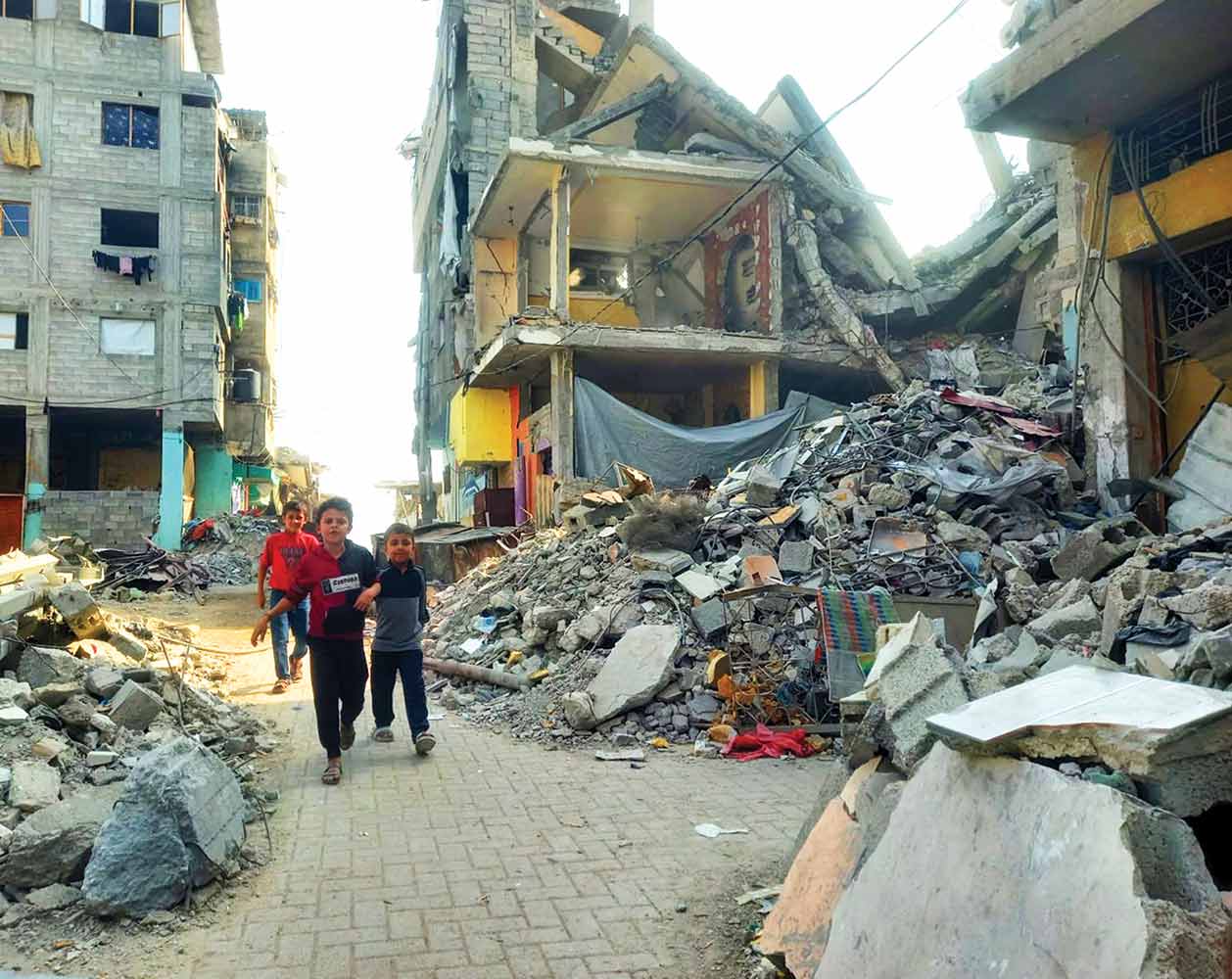
Gaza has been suspended in a bloody limbo for months. The so-called ceasefire with Israel has not brought peace. The bombings and demolitions persist, and Israel’s expanding occupation continues unabated. Since October 10, 2025, when the ceasefire was declared, more than 440 people have been killed and more than 2,500 buildings destroyed. Israel has only allowed a fraction of the essential equipment needed for cooking, heating, and construction to enter the Strip. Gaza is now buried beneath 680 million tons of rubble. Ninety percent of the population has been displaced, many of them several times. Hundreds of thousands live in threadbare tents.
The “ceasefire” is meant to breed apathy among us; the spectacle of modern genocidal warfare has been replaced by the slow bureaucratic proceedings of ethnic cleansing. Washington’s hollow promises to bring “technocratic governance” to Gaza mask a colonial project imposed on a people with no say: a people left to die, forgotten by the world.
This, then, is where we return. In early February, The Nation gave over its website for a day to writers from Gaza. We did this to make it clear that we will remain focused on Gaza and the Palestinian people. No diplomatic proceedings or political distortions will subdue our demand for their right to self-determination—or their right to speak for themselves.
The pieces in this series are an affirmation of that right: a record of Gaza’s refusal, in the face of the world’s neglect, to be exterminated.
—Rayan El Amine, Lizzy Ratner, and Jack Mirkinson
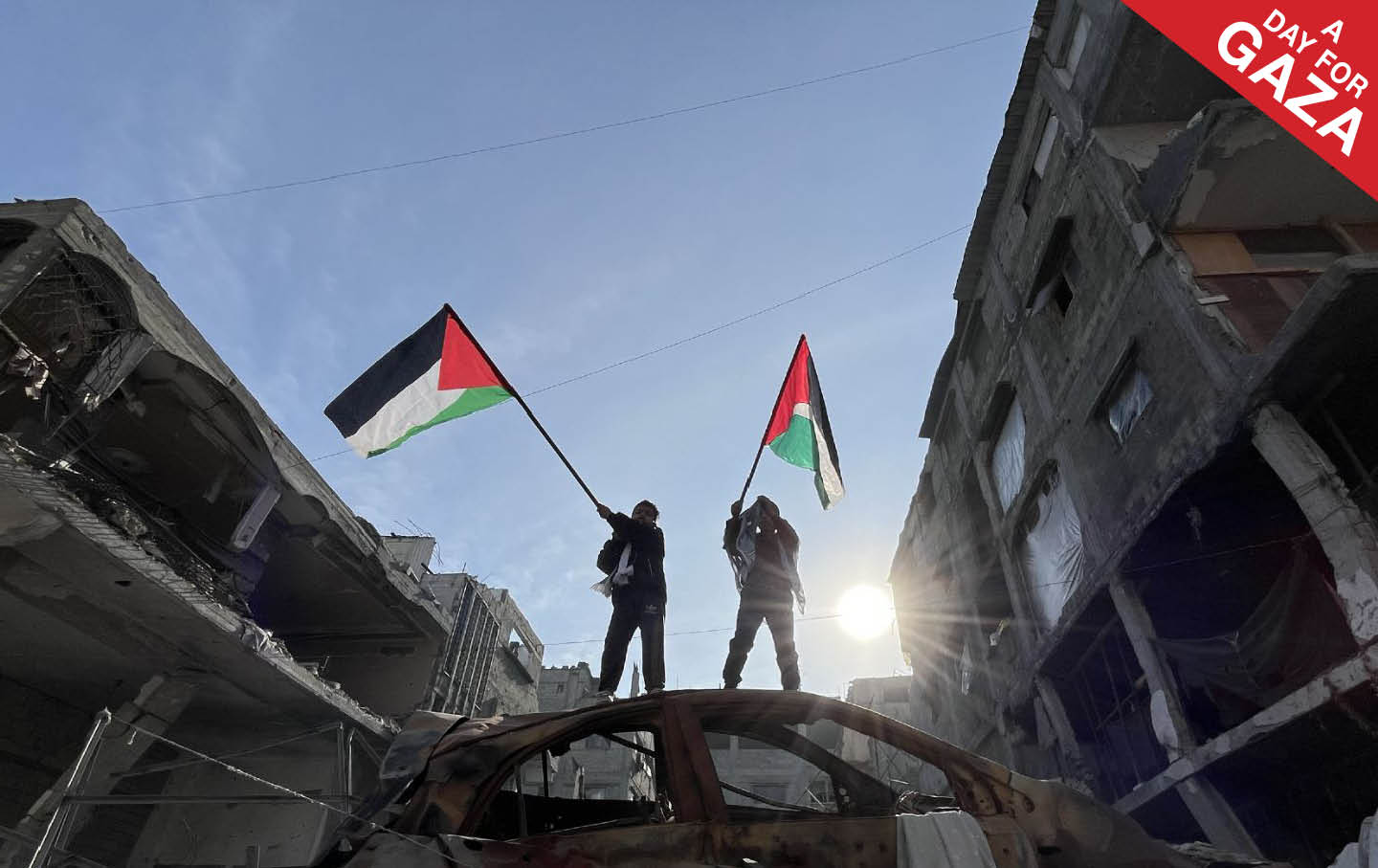
A Day for Gaza
Rayan El Amine, Jack Mirkinson, Lizzy Ratner
Today, The Nation is turning over its website exclusively to stories from Gaza and its people. This is why.
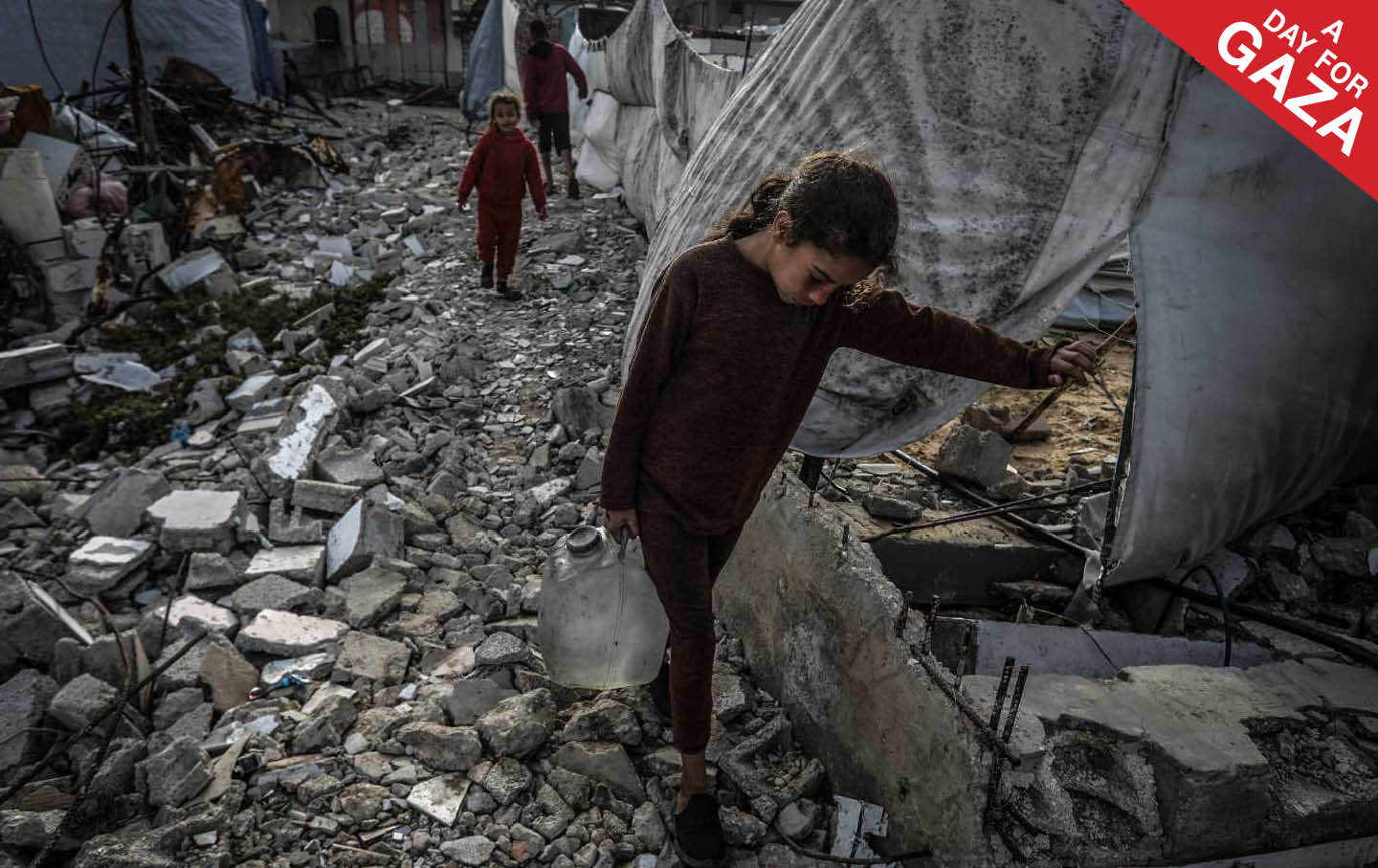
A Ceasefire in Name Only
Mohammed Mhawish
The language of ceasefire has been repurposed in Gaza: It no longer describes a pause in violence but rather a mechanism for managing it.
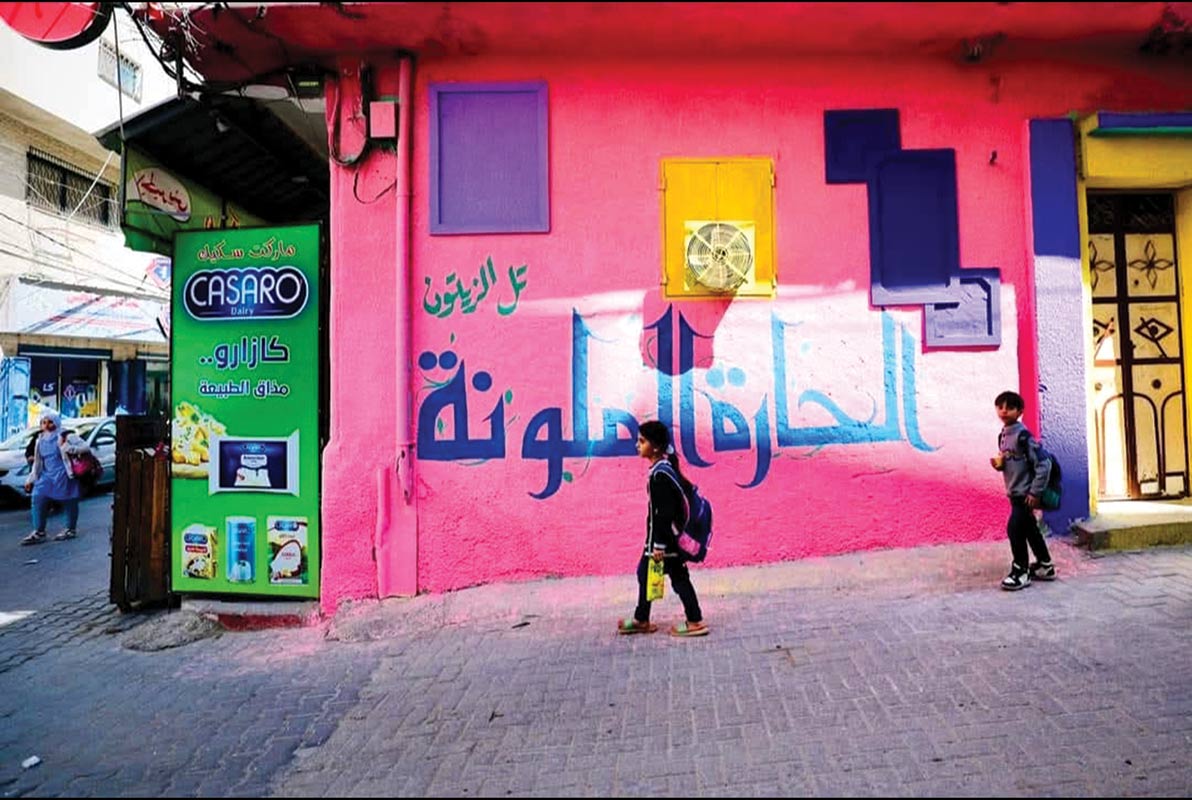
The Street That Refuses to Die
Ali Skaik
What I saw walking one block in Gaza.
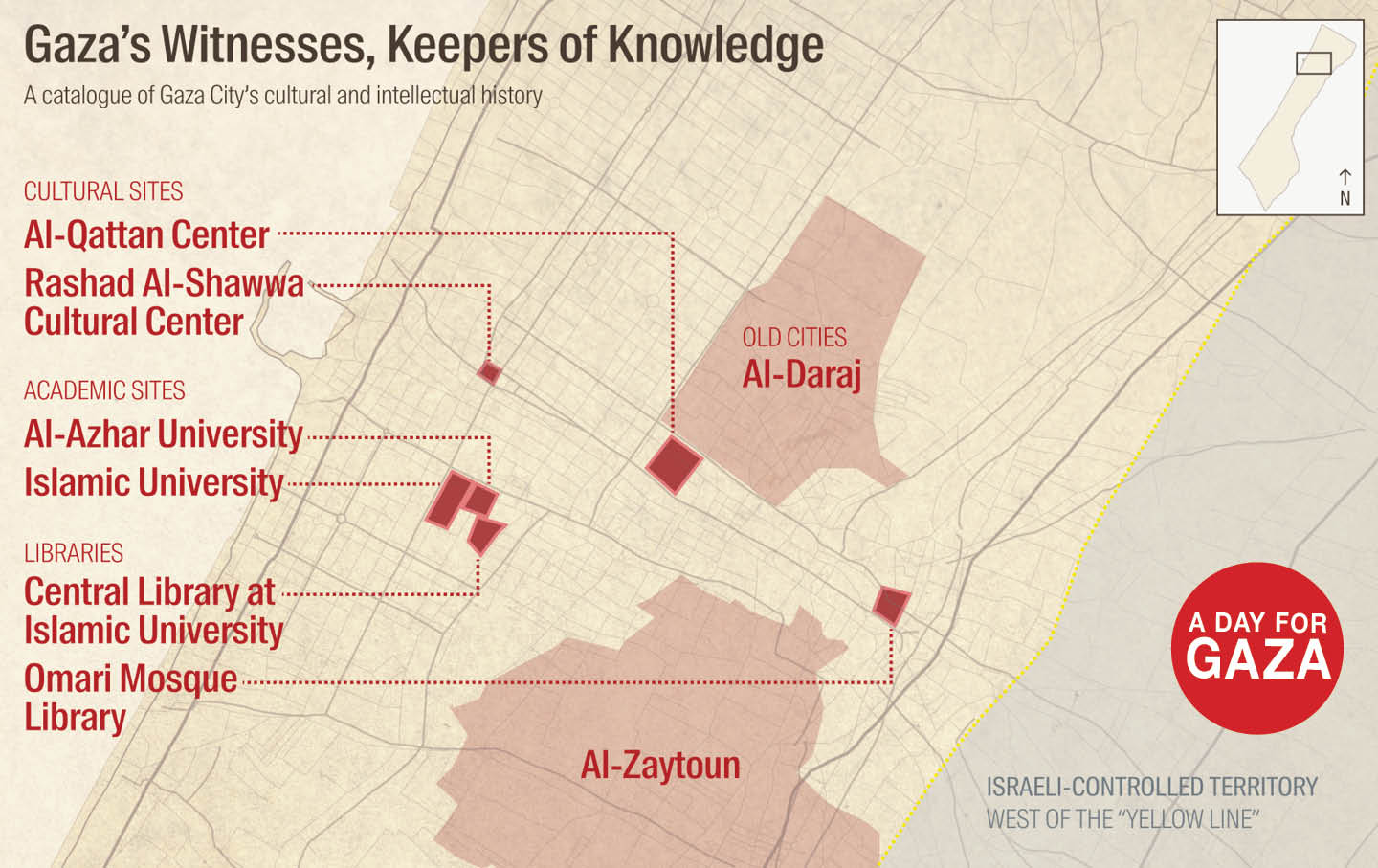
A Catalog of Gaza’s Loss
Deema Hattab
Recording what has been erased—and making sense of what remains.
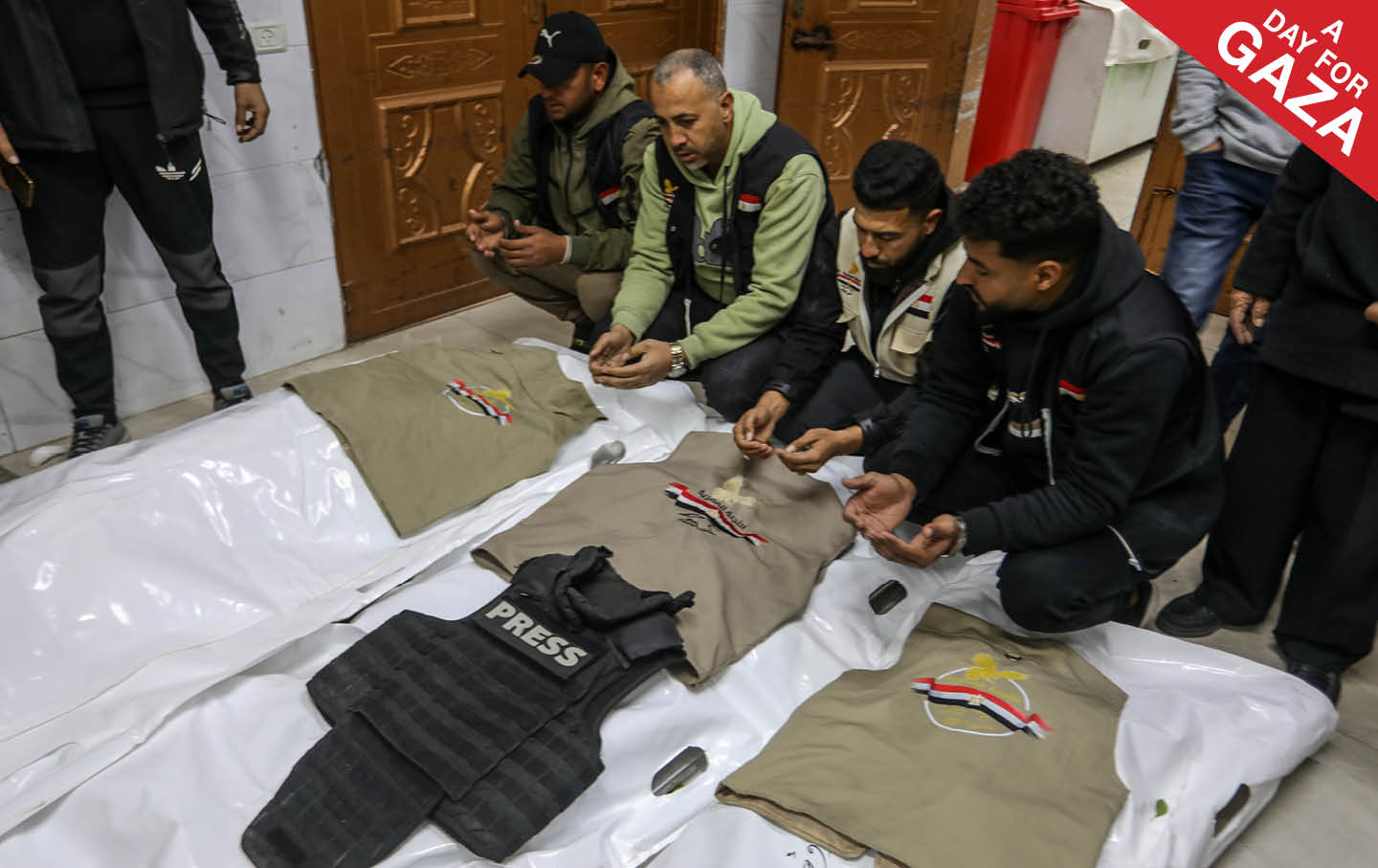
“We Have Covered Events No Human Can Bear”
Ola Al Asi
Journalists in Gaza have bartered their lives to tell a truth that much of the world still doesn’t want to hear.
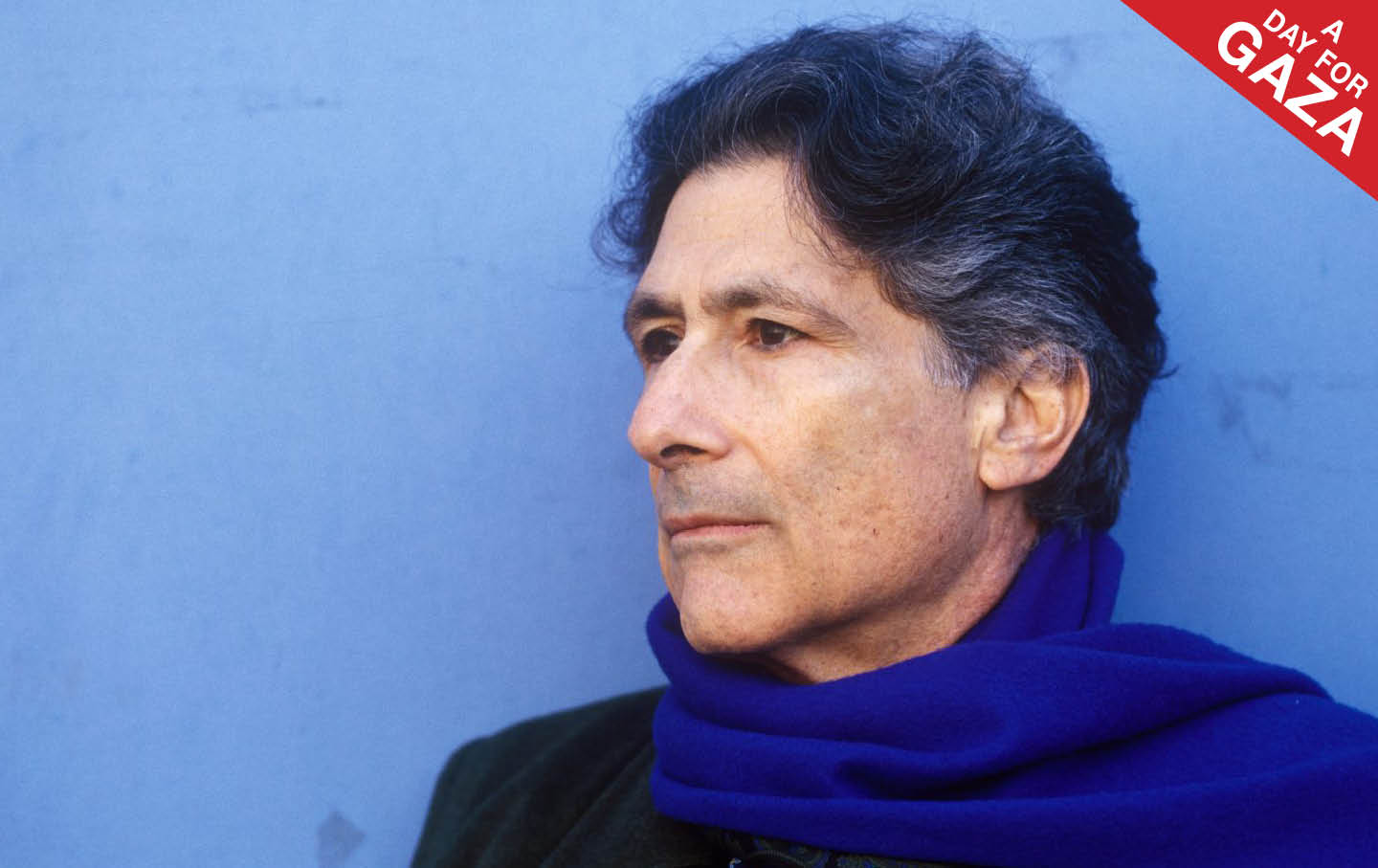
What Edward Said Teaches Us About Gaza
Alaa Alqaisi
On Palestine and the geography of vanishing.
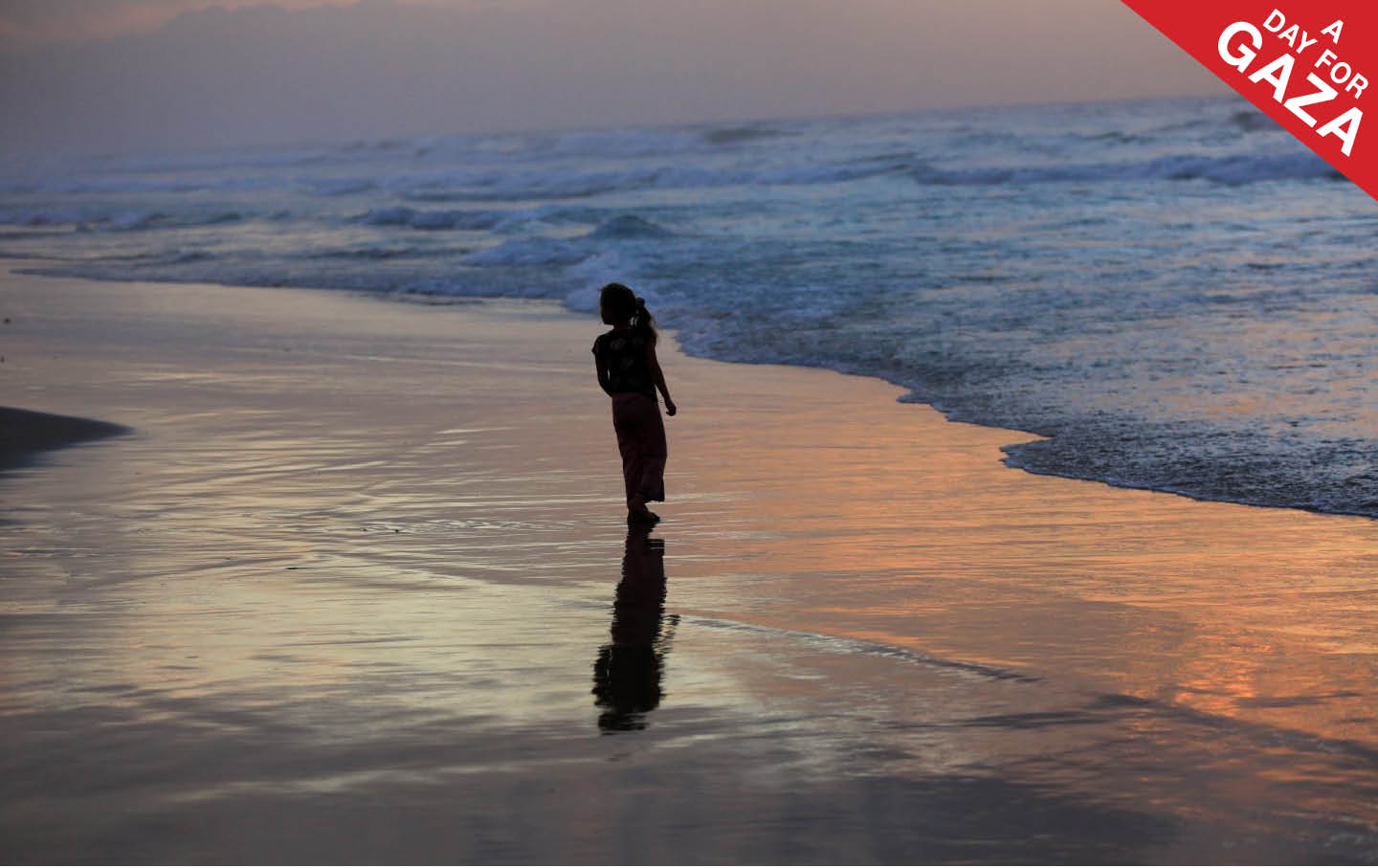
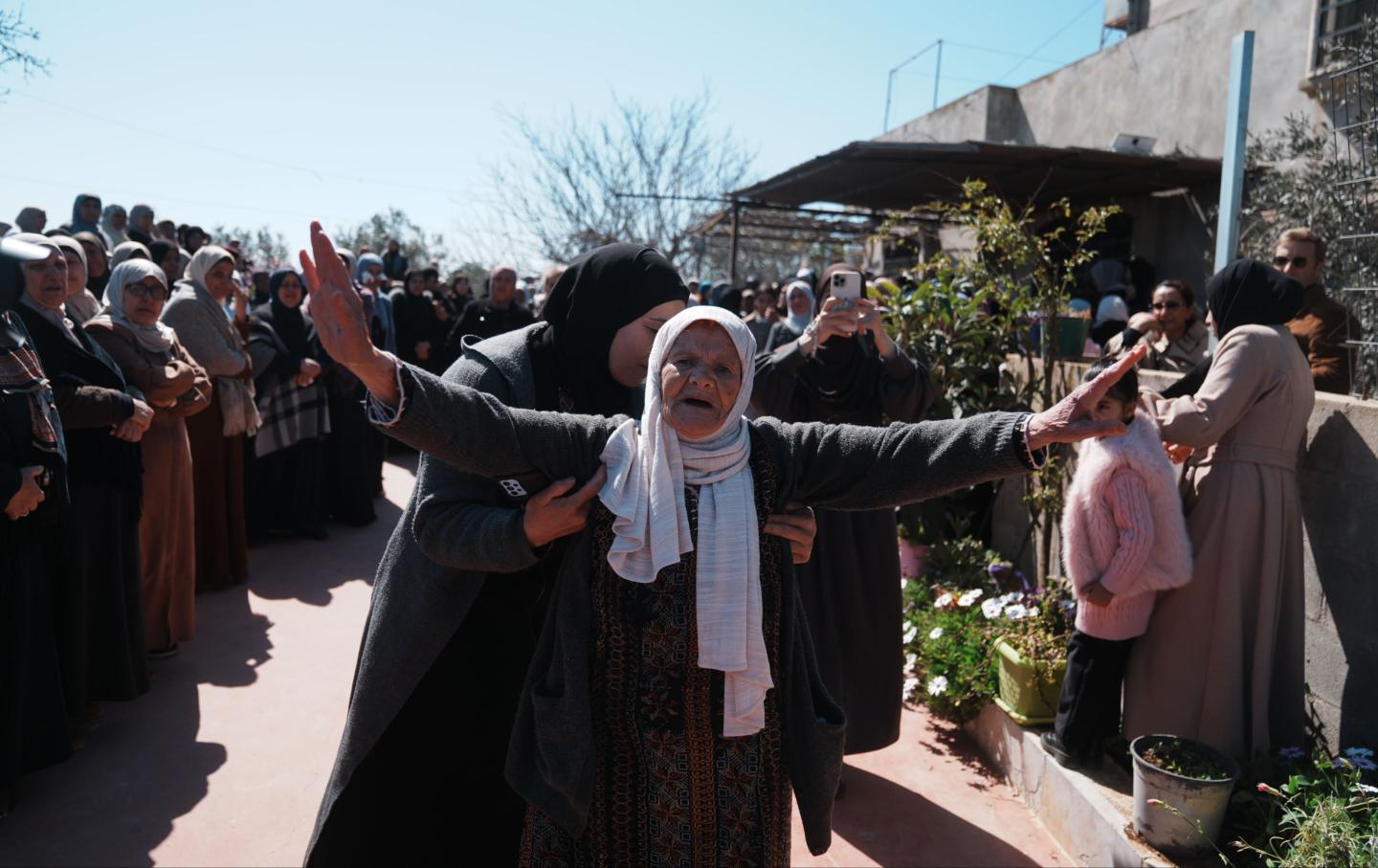
My Sister’s Death Still Echoes Inside Me
Asmaa Dwaima
Rewaa was killed by an Israeli bomb. Her absence has broken me in ways I still cannot describe.
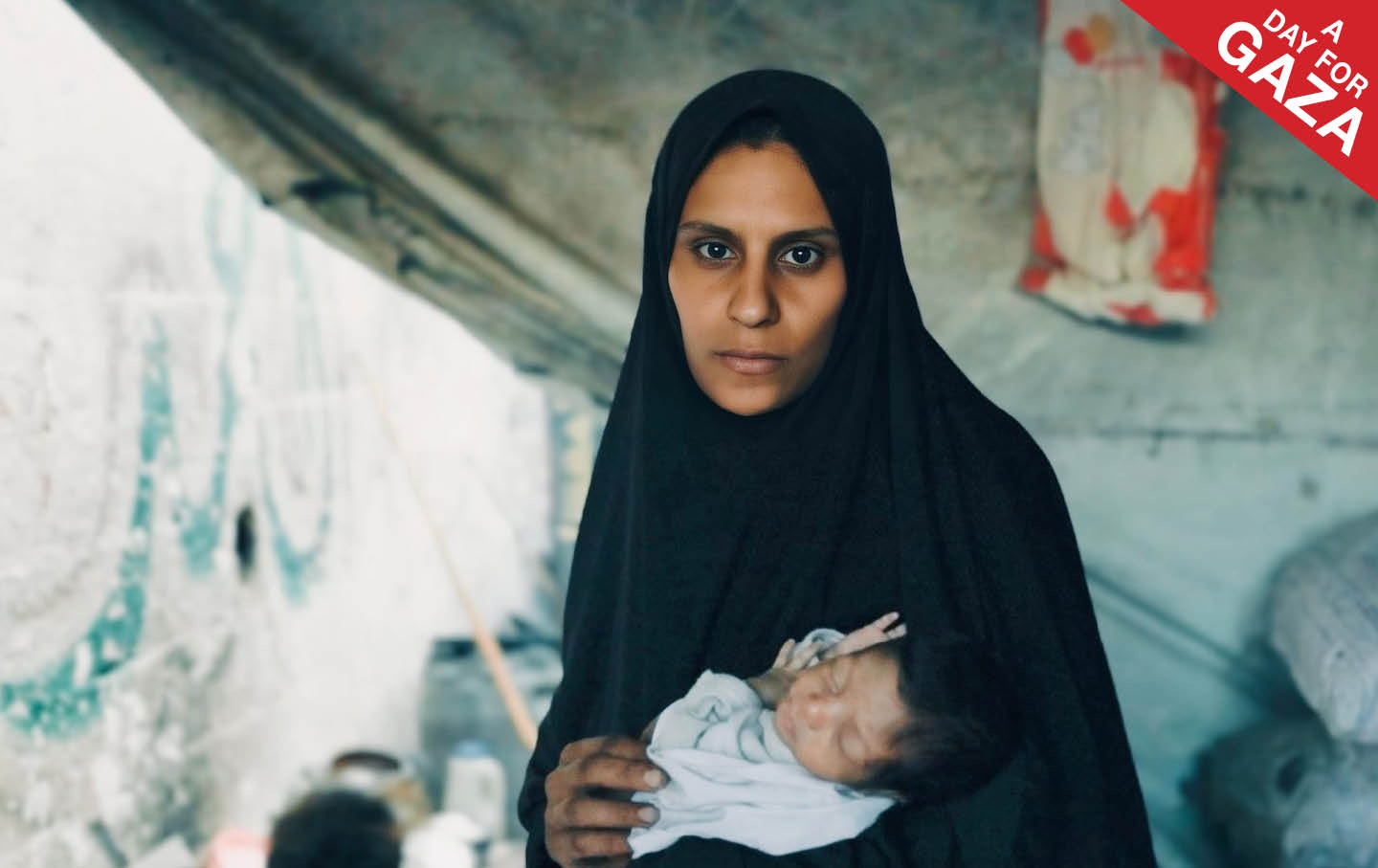
What Gaza’s Photographers Have Seen
Huda Skaik
These pictures are records of a genocidal war, but they are something more, too—they are fragments of Gaza itself.
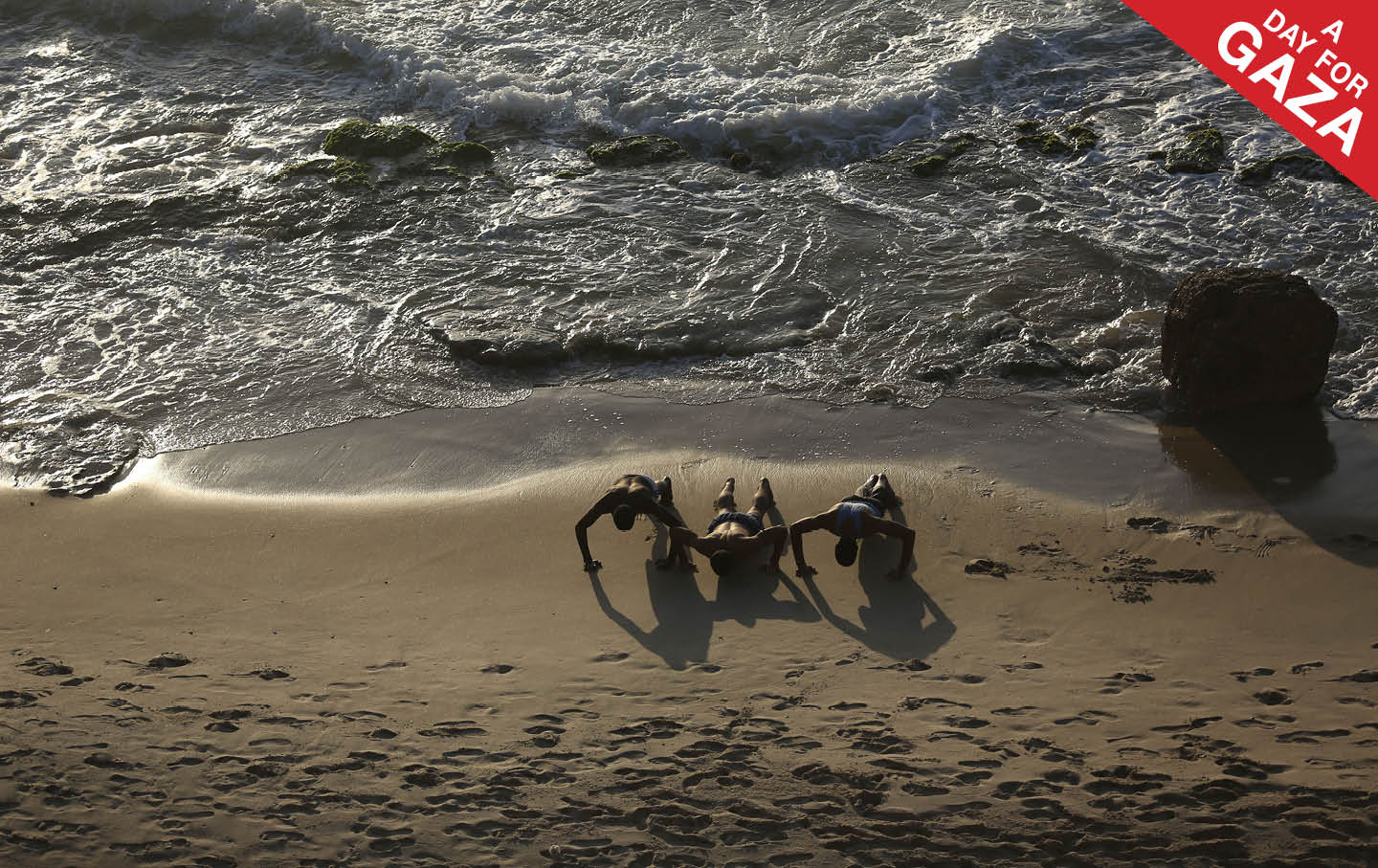
At the Doorstep of Tomorrow
Engy Abdelal
Faced with endlessly narrowing possibilities, I return to my diary in an attempt to dream, to imagine a future.
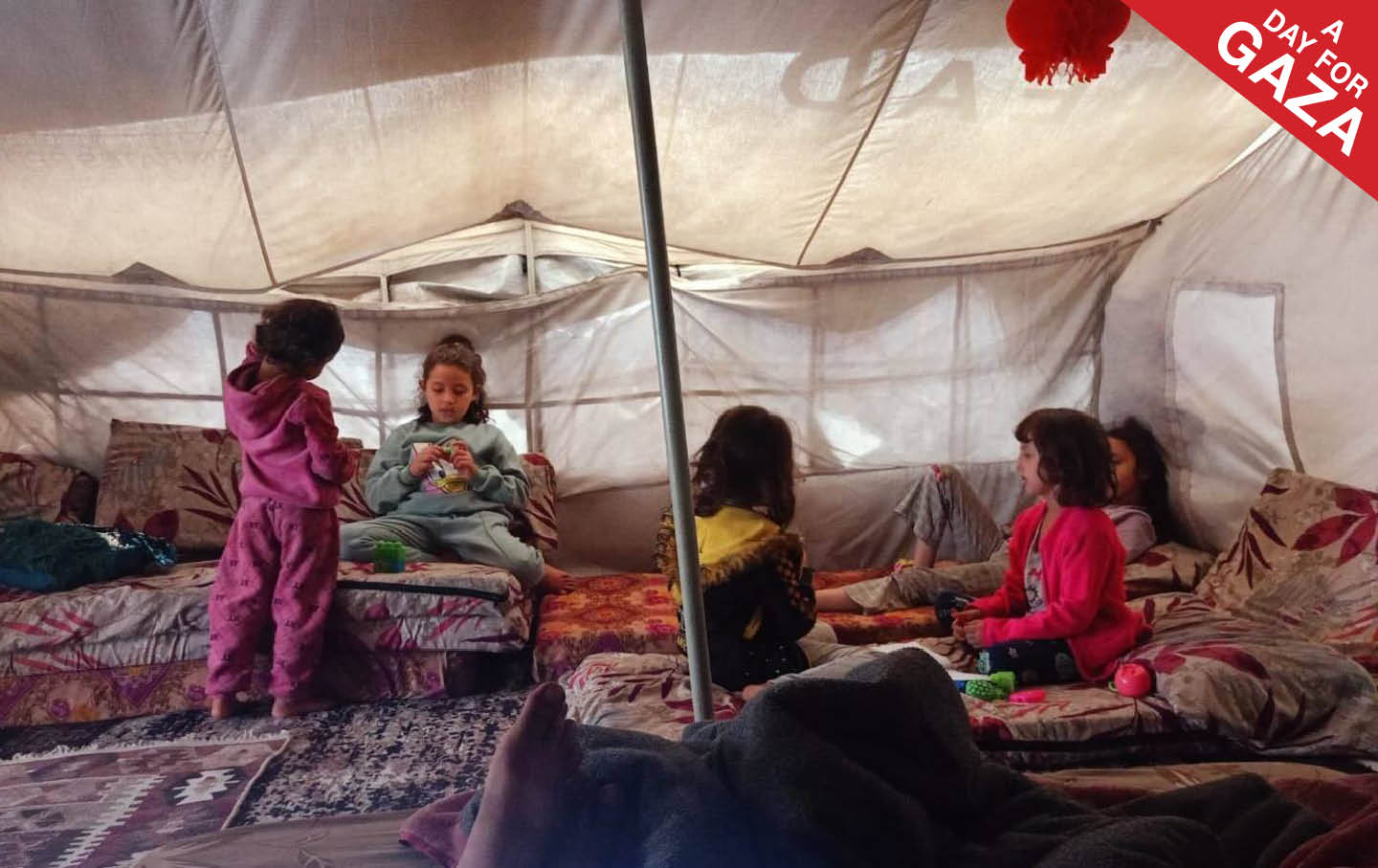
How to Survive in a House Without Walls
Rasha Abou Jalal
After their home was obliterated, Rasha Abou Jalal and her family remain determined to build a new one, even if it must be built out of nothing.
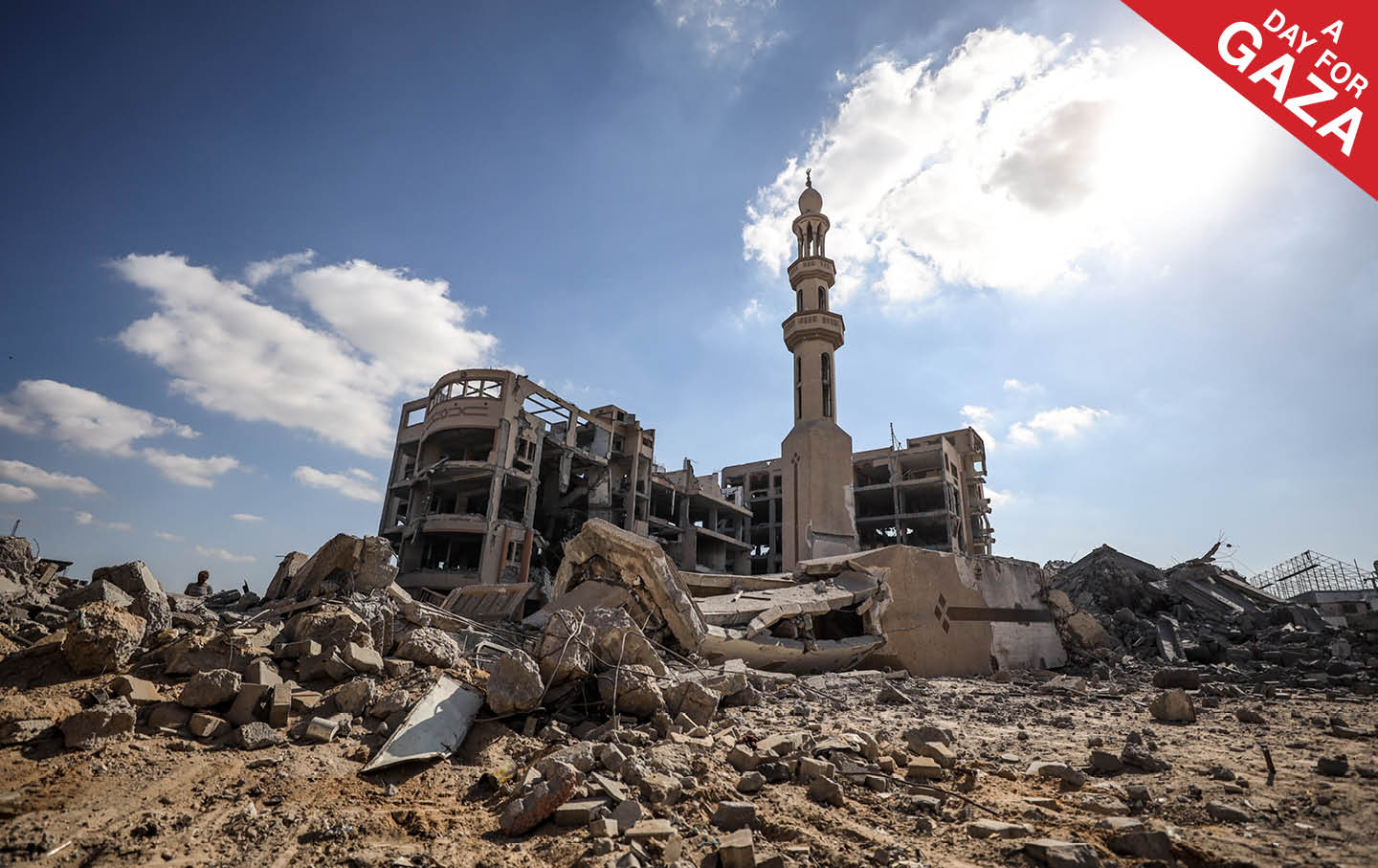
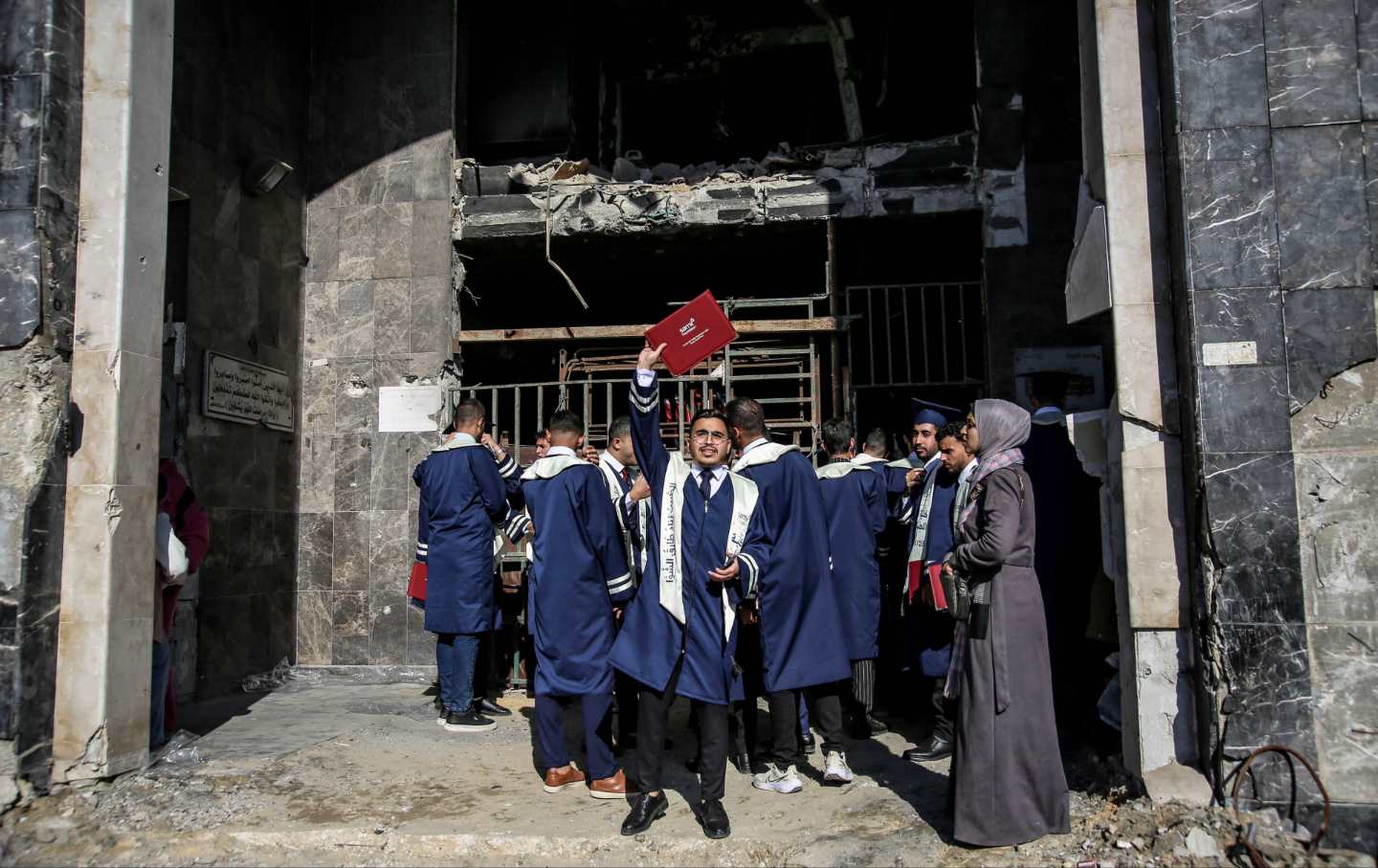
What Happens to the Educators After the Schools Have Been Destroyed?
Ismail Nofal
Hamada Abu Layla spent 22 years gathering three university degrees. Now they mock him from a garbage dump.
Support independent journalism that does not fall in line
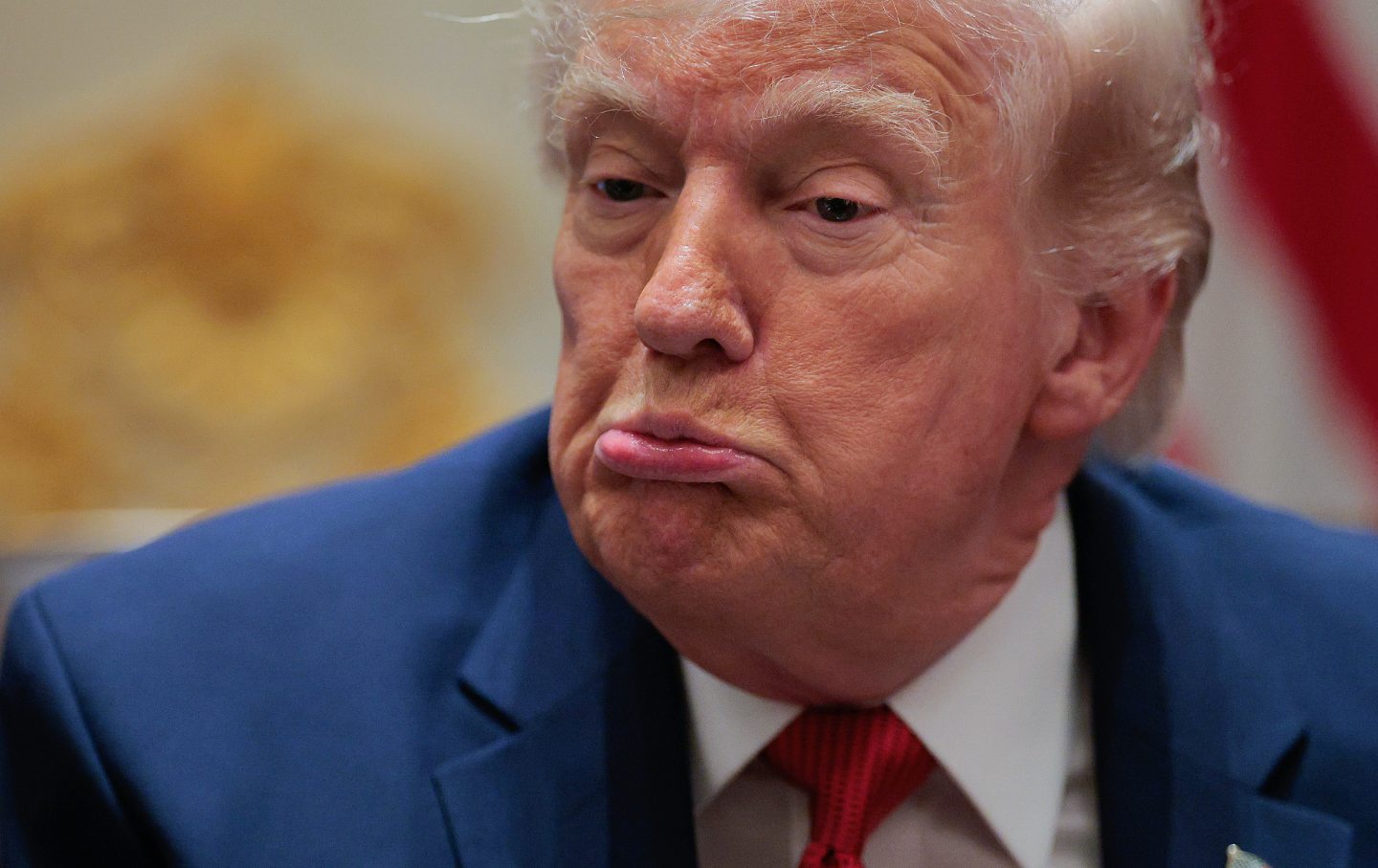
Even before February 28, the reasons for Donald Trump’s imploding approval rating were abundantly clear: untrammeled corruption and personal enrichment to the tune of billions of dollars during an affordability crisis, a foreign policy guided only by his own derelict sense of morality, and the deployment of a murderous campaign of occupation, detention, and deportation on American streets.
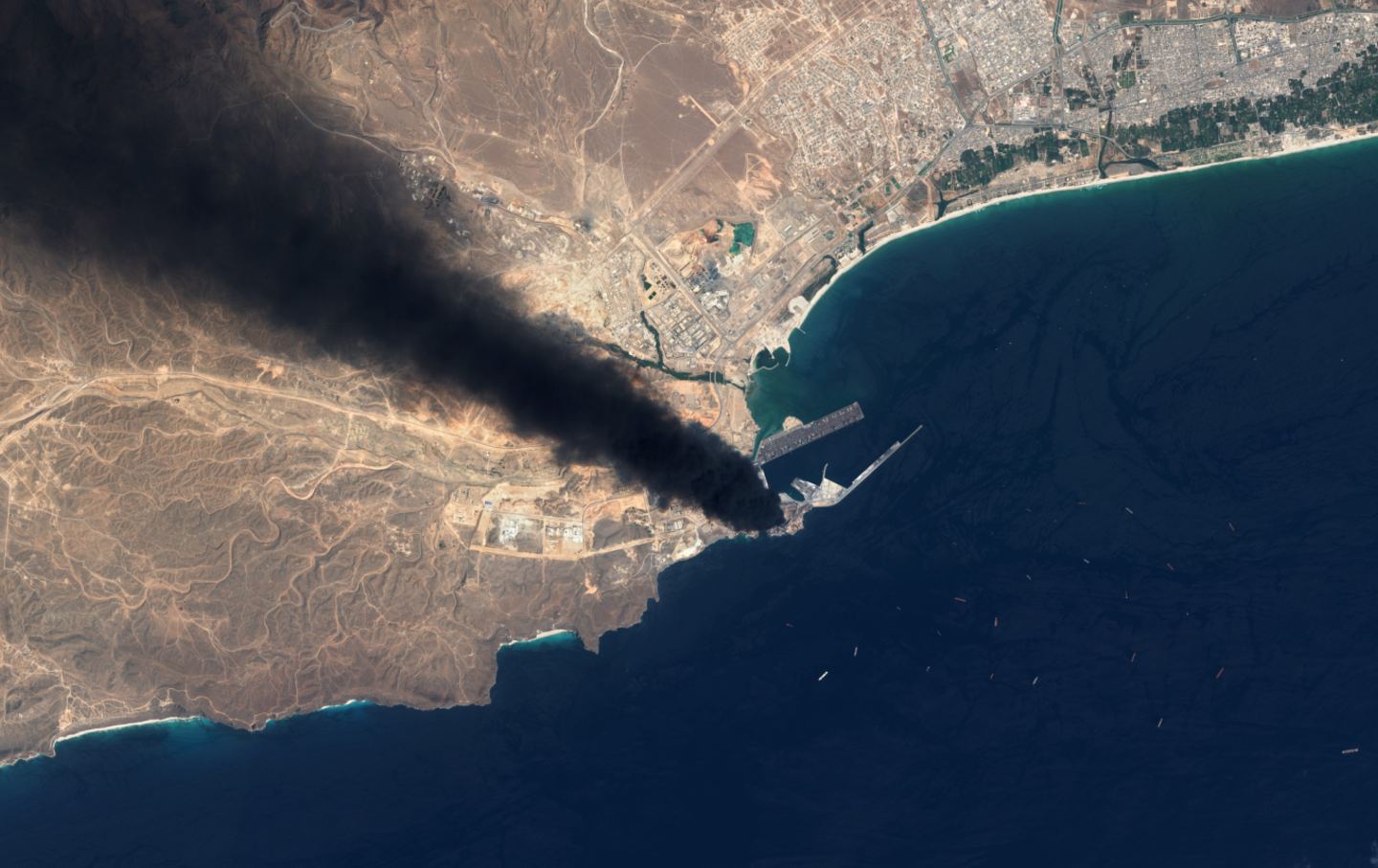
Now an undeclared, unauthorized, unpopular, and unconstitutional war of aggression against Iran has spread like wildfire through the region and into Europe. A new “forever war”—with an ever-increasing likelihood of American troops on the ground—may very well be upon us.
As we’ve seen over and over, this administration uses lies, misdirection, and attempts to flood the zone to justify its abuses of power at home and abroad. Just as Trump, Marco Rubio, and Pete Hegseth offer erratic and contradictory rationales for the attacks on Iran, the administration is also spreading the lie that the upcoming midterm elections are under threat from noncitizens on voter rolls. When these lies go unchecked, they become the basis for further authoritarian encroachment and war.
In these dark times, independent journalism is uniquely able to uncover the falsehoods that threaten our republic—and civilians around the world—and shine a bright light on the truth.
The Nation’s experienced team of writers, editors, and fact-checkers understands the scale of what we’re up against and the urgency with which we have to act. That’s why we’re publishing critical reporting and analysis of the war on Iran, ICE violence at home, new forms of voter suppression emerging in the courts, and much more.
But this journalism is possible only with your support.
This March, The Nation needs to raise $50,000 to ensure that we have the resources for reporting and analysis that sets the record straight and empowers people of conscience to organize. Will you donate today?