
Negotiate With Iran or the Whole of the Middle East Could Burn
If the US is going to avoid a regional war, Biden has no choice but to talk with Washington’s regional adversary.
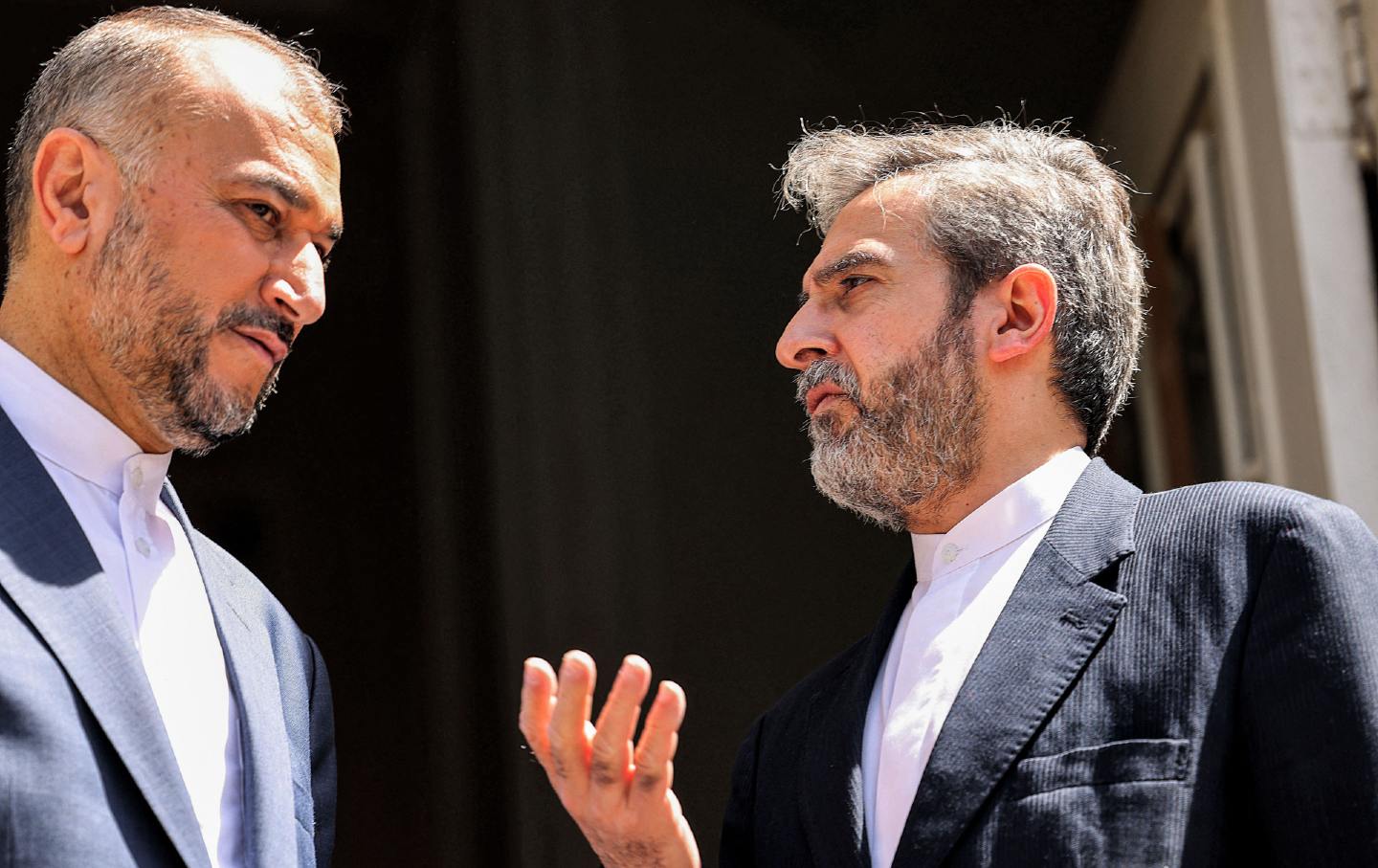
Iranian Foreign Minister Hossein Amir-Abdollahian, left, listens to his deputy foreign minister and chief nuclear negotiator, Ali Bagheri Kani, before their meeting with the Russian foreign minister in Tehran on June 23, 2022.
(Atta Kenare / AFP via Getty Images)In my Nation column for this month’s issue, I urged the Biden administration to talk to Iran before the Middle Eastern emergency stemming from the Israeli genocide in Gaza well and truly spirals into chaos. Now, new reporting reveals that there was a furtive diplomatic contact between the United States and Iran shortly after the new year. The failures of that contact only reinforce how badly needed a formal diplomatic overture to Iran really is—no matter how controversial it will inevitably be.
The January 10 meeting in Oman was first reported by Felicia Schwarz and Andrew England in the Financial Times and confirmed by The New York Times a few days later. Talks proceeded indirectly, with the Omanis shuttling messages between White House Mideast chief Brett McGurk and Ali Bagheri Kani, the deputy Iranian foreign minister and nuclear negotiator. It was the first time US and Iranian diplomats had any contact since May 2023. Iran, not the Biden administration, sought the meeting.
While each side averred it wanted no direct confrontation, the messages from both amounted to little more than iterations of their baseline positions. The US demanded an end to Iranian “Axis of Resistance” attacks everywhere from Yemen to Iraq. The Iranians essentially retorted that only an end to Israel’s assault on Gaza can guarantee that.
There is surely more going on behind the scenes than has been reported so far, but a planned February follow-on meeting did not occur. The New York Times noted that “hours” after the January meeting ended, the US took the fateful step of escalating the war to Yemen by bombing Houthi coastal positions and military infrastructure. Weeks later, Iran-backed militia groups attacked an obscure US outpost in Jordan called Tower 22 and killed three Army reservists. A round of talks predicated on preventing escalation did not prevent escalation.
The need for diplomacy with Iran springs from a paradox. Whatever President Biden or Senator Chuck Schumer’s over-personalized rhetoric of impatience with Benjamin Netanyahu, the Biden administration opposes imposing a cease-fire on Israel. Producing the US imposition of a cease-fire on Israel has been Iran’s regional objective since October 7, which accounts for the Houthi attacks on Red Sea shipping. Unless one side is prepared to change course, neither side is going to consider the talks productive.
Yet that impasse means they need to continue these presumptively unproductive talks. Otherwise, there’s no mechanism except violence to compel the rival coalitions to change course. The Times paraphrased a senior US official saying, with a shrug, that Washington was open in theory to dialogue, but “if the dialogue did not produce results, the United States would use force.”
That’s the wrong approach to a conflict that could spiral out from any number of confrontations. Gaza, the Red Sea, coastal Yemen, Baghdad, eastern Syria, northeastern Jordan, Damascus, southern Lebanon, and Beirut have already become bloody theaters of conflict. In the absence of reconcilable objectives, the US and Iran need a regular, senior channel of communication not only to prevent escalation but also to begin the delicate, arduous work of exploring where de-escalation can occur, at least or at first on the marginal battlefields. A forum where diplomats pass ultimatums to one another through intermediaries can’t produce that.
For a start, it would be valuable for the United States and Iran to set mutual expectations for the US-Iraq dialogue now underway on the future of the US military presence in Iraq (and by extension Syria), something Iran’s armed Iraqi allies are eyeing very closely. That doesn’t produce an end to the Israeli stranglehold on Gaza or the freedom of the remaining hostages, but it has the potential to prevent Iraq from becoming a regional-power battleground again. And from such improvisation comes diplomatic momentum that can stop the next Tower 22 or Baghdad drone strike.
Biden’s officials, in promoting the six-week pause in fighting they currently seek, sometimes intimate that mutual confidence-building measures might build toward a more durable end to hostilities. If a leap of faith can work in that case, there’s no reason it can’t work at a regional scale. The Iranian Quds Force instructed the Iraqi Hashd militias to stand down post–Tower 22, demonstrating that Iran considers itself to have the same interest in preventing the expansion of the conflict that Biden professes. The Red Sea attacks of its Houthi clients continue, but Iran is understood to have greater command and control over the Iraqi Hashd, who have thus far stopped their attacks on US-operated bases.
I take it for granted at this point that Biden is unprepared to use the immense US leverage over Israel to compel it to withdraw from Gaza. Netanyahu remains intransigent, not least by continuing to plan an assault on Rafah, the final Palestinian redoubt in southern Gaza. Having already walked back his supposed “red line” against a Rafah attack, Biden this week summoned Israeli officials to Washington to lay out what national security adviser Jake Sullivan called an “alternative approach…without a major ground invasion.” Sullivan sounded like the Biden team wants to line-edit a military campaign in the teeming city, not veto it.
But if at some point Biden comes to his senses, it would be smart to have an extant diplomatic mechanism to coordinate Iran guaranteeing its coalition will comply with a cease-fire. Nor could it hurt to explore what regional diplomacy on denuclearization could look like in 2024, given the existing questions about Iran’s nuclear program years after the United States tore up their nuclear deal, as well as the Saudi nuclearization that’s a key component of the post-Gaza normalization between Tel Aviv and Riyadh sought by Biden.
Any US diplomatic outreach to Iran will be demagogued by the right domestically and viewed with alarm by Israel and Saudi Arabia. Those forces have successfully deterred the Biden administration from pursuing substantive diplomacy with Iran thus far—all while their prerogatives have lit the Middle East aflame. Nor can the pause in attacks on US forces in Iraq provide a false sense of security. There is no guarantee that the Iraqi militia stand-down will last indefinitely. Meanwhile, as long as the war on Gaza persists, the Houthis will continue their Red Sea attacks, and Hezbollah waits in the wings to enter the war in earnest.
Diplomacy isn’t optional in a war like this. It’s a matter of basic responsibility—to say nothing of basic respect for the many millions of Middle Eastern lives on the line.
Support independent journalism that does not fall in line
Even before February 28, the reasons for Donald Trump’s imploding approval rating were abundantly clear: untrammeled corruption and personal enrichment to the tune of billions of dollars during an affordability crisis, a foreign policy guided only by his own derelict sense of morality, and the deployment of a murderous campaign of occupation, detention, and deportation on American streets.
Now an undeclared, unauthorized, unpopular, and unconstitutional war of aggression against Iran has spread like wildfire through the region and into Europe. A new “forever war”—with an ever-increasing likelihood of American troops on the ground—may very well be upon us.
As we’ve seen over and over, this administration uses lies, misdirection, and attempts to flood the zone to justify its abuses of power at home and abroad. Just as Trump, Marco Rubio, and Pete Hegseth offer erratic and contradictory rationales for the attacks on Iran, the administration is also spreading the lie that the upcoming midterm elections are under threat from noncitizens on voter rolls. When these lies go unchecked, they become the basis for further authoritarian encroachment and war.
In these dark times, independent journalism is uniquely able to uncover the falsehoods that threaten our republic—and civilians around the world—and shine a bright light on the truth.
The Nation’s experienced team of writers, editors, and fact-checkers understands the scale of what we’re up against and the urgency with which we have to act. That’s why we’re publishing critical reporting and analysis of the war on Iran, ICE violence at home, new forms of voter suppression emerging in the courts, and much more.
But this journalism is possible only with your support.
This March, The Nation needs to raise $50,000 to ensure that we have the resources for reporting and analysis that sets the record straight and empowers people of conscience to organize. Will you donate today?
More from The Nation
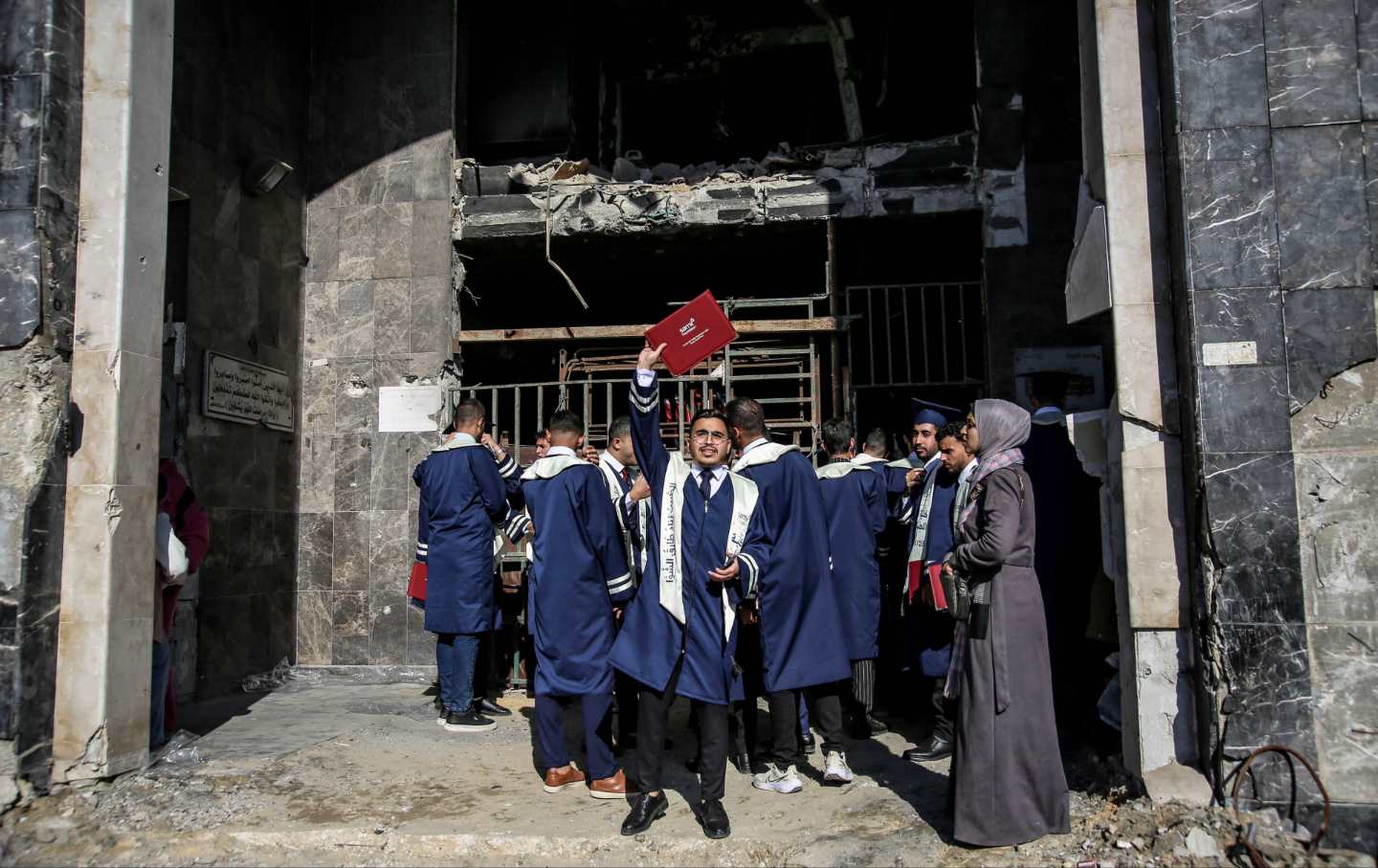
“I Refused to Let the Genocide Steal My Dreams” “I Refused to Let the Genocide Steal My Dreams”
For these medical students in Gaza, completing their studies was an act of defiance.

Donald Trump Is Losing the Iran War Donald Trump Is Losing the Iran War
Despite his constant declarations of victory, the truth about this conflict is clear.
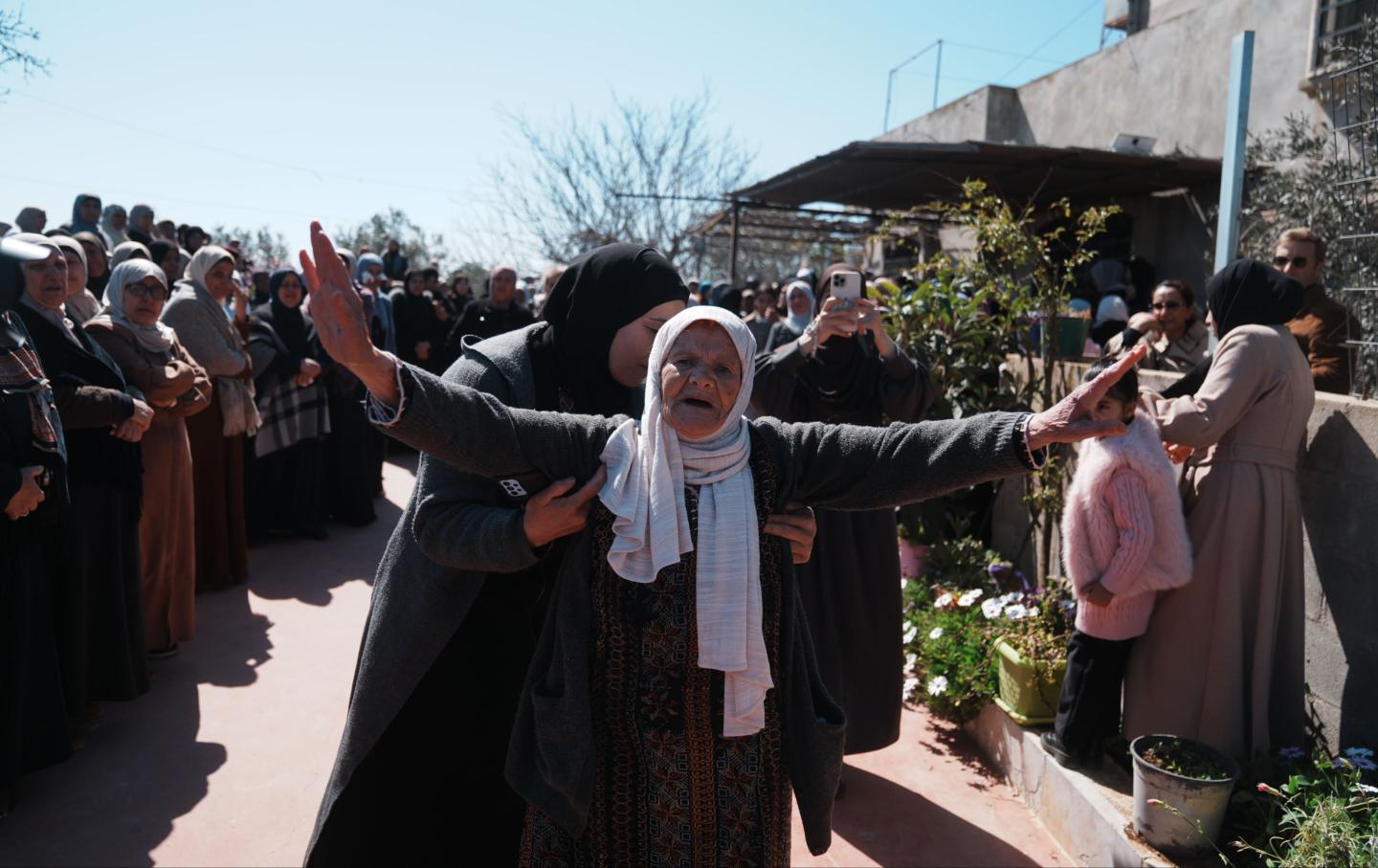
Israel Is Also Committing Genocide In the West Bank Israel Is Also Committing Genocide In the West Bank
It’s not just Gaza—Israel wants to exterminate all Palestinians, everywhere. We are one people being destroyed as one people.
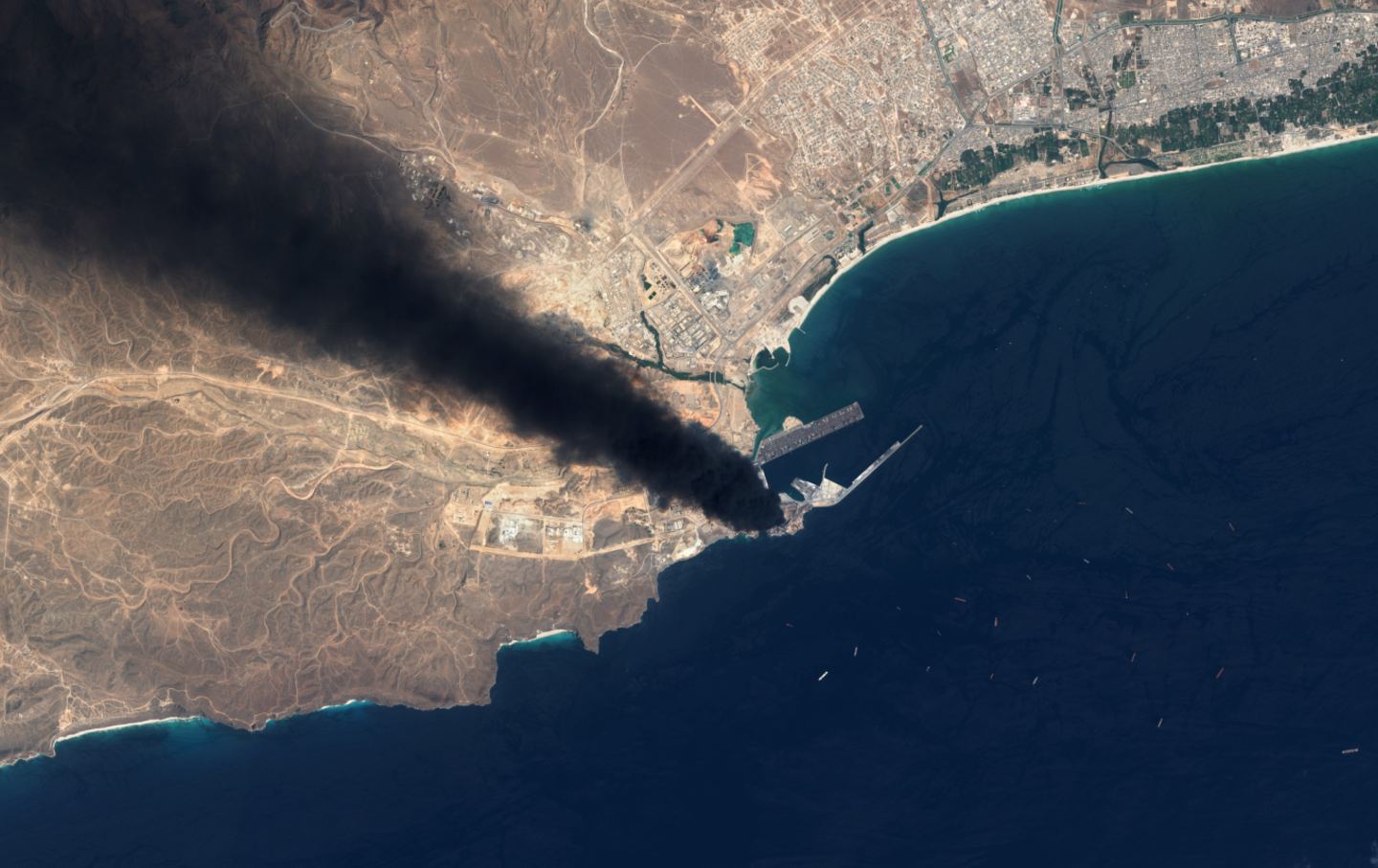
How the War Has Led to the Largest Disruption of Energy Supplies in Decades How the War Has Led to the Largest Disruption of Energy Supplies in Decades
Unless a resolution is found, the impact is likely to grow.
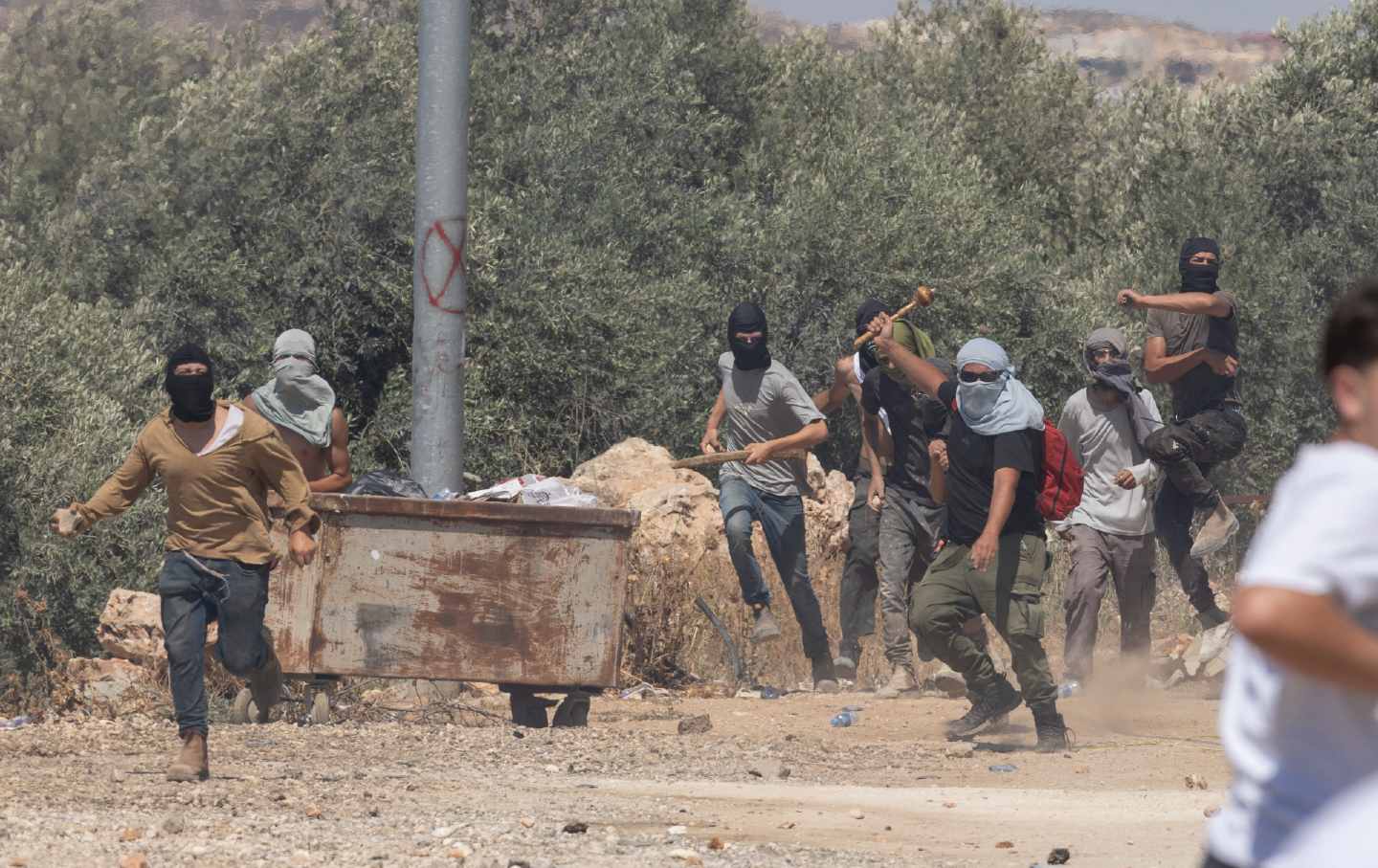
“Erasing the Lines”: How Settlers Are Seizing New Regions of the West Bank “Erasing the Lines”: How Settlers Are Seizing New Regions of the West Bank
After decades consolidating their control over Area C, Israeli settlers are expanding into Areas B and A—nominally under Palestinian Authority jurisdiction—and displacing communit...
Feature / Oren Ziv with Ariel Caine
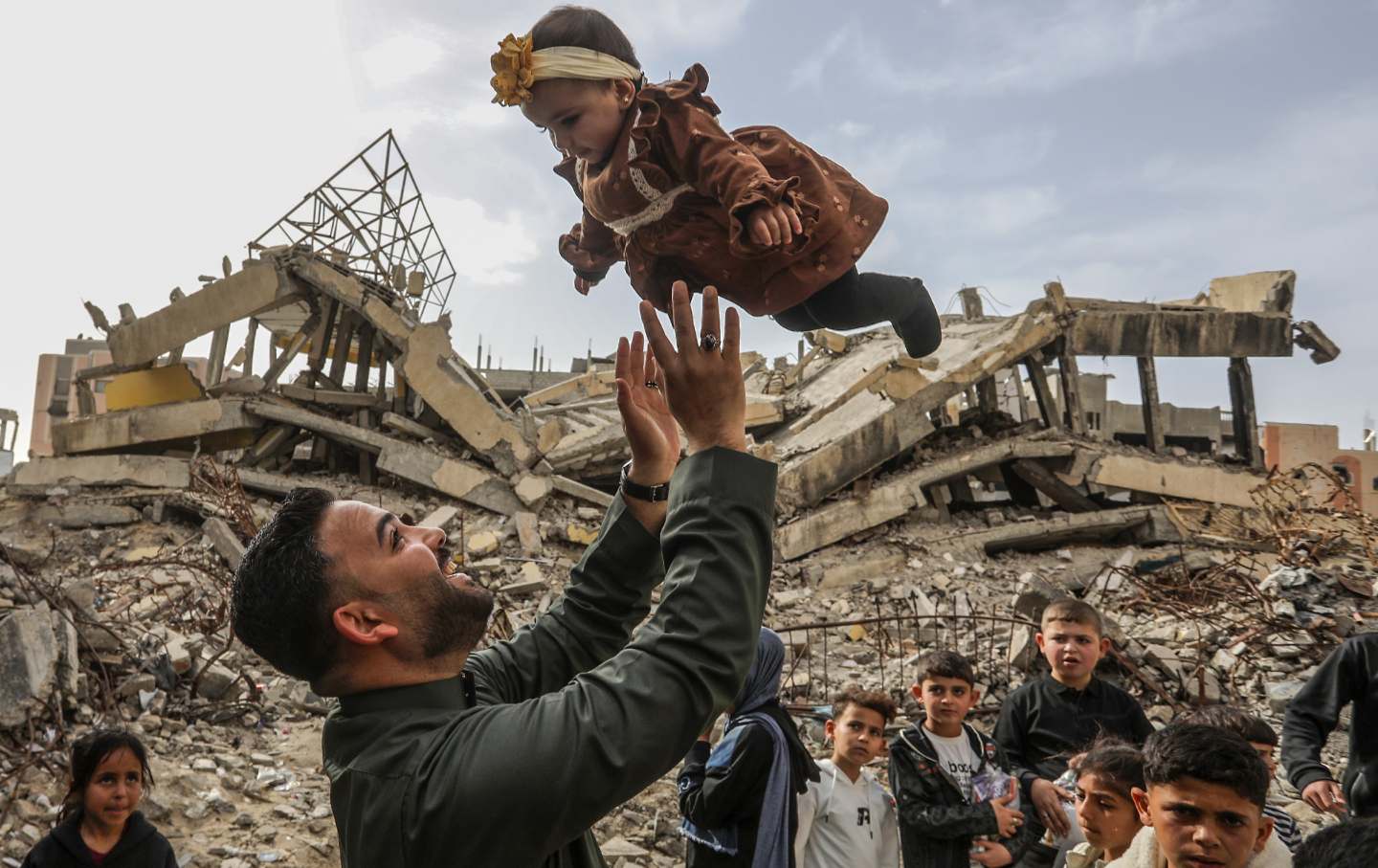
In Gaza, Eid Is an Act of Resistance In Gaza, Eid Is an Act of Resistance
This year, Eid was a declaration: We are here. We pray. We dress in our best. We love, even when the world tries to convince us that we have nothing to love or to live for.

